

Morocco shopping tours offer an unforgettable journey through centuries-old marketplaces where tradition meets treasure hunting. Whether you’re wandering through Marrakech’s labyrinthine souks or discovering hidden gems in Fes, these vibrant markets represent the beating heart of Moroccan culture and commerce.
Why Morocco Shopping Tours Are Unmissable
Morocco shopping tours provide more than just retail therapy—they’re immersive cultural experiences. These ancient marketplaces have served as commercial hubs for over a millennium, where Berber traders, Arab merchants, and African caravans once converged.
The souks pulse with energy: artisans hammering copper, leather tanners perfecting their craft, and spice vendors creating fragrant pyramids of saffron and cumin. Every alleyway tells a story, and every purchase connects you to generations of skilled craftspeople.
According to the Moroccan National Tourist Office, shopping experiences rank among travelers’ top three activities, with souks generating significant cultural tourism revenue.
Top 5 Souks You Must Visit on Morocco Shopping Tours
1. Marrakech Souk – The Crown Jewel
Marrakech’s souk sprawls across the medina near Jemaa el-Fnaa square, featuring over 18 individual specialized markets. From babouche (traditional slippers) to intricate metalwork, this maze-like marketplace offers everything imaginable.
Must-visit sections:
- Souk Semmarine for textiles and carpets
- Souk Haddadine for metalwork and lanterns
- Souk Cherratine for leather goods
- Souk des Teinturiers for dyed wool
2. Fes el-Bali – The Medieval Time Capsule
Fes boasts Africa’s largest car-free urban zone and UNESCO World Heritage status. The tanneries here have operated using traditional methods for centuries, creating some of Morocco’s finest leather products.
3. Essaouira Souk – Coastal Charm
This laid-back coastal town offers a more relaxed shopping atmosphere. Famous for thuya wood crafts and fresh seafood, Essaouira provides respite from more intense market experiences.
4. Chefchaouen Markets – Blue City Bargains

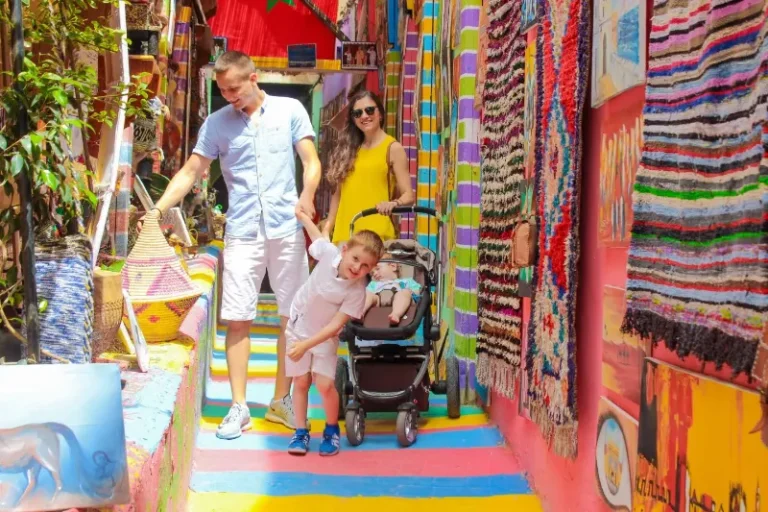
The Instagram-famous blue city offers unique wool garments, woven blankets, and locally-produced goat cheese alongside traditional crafts.
5. Tangier Grand Socco – Gateway to Africa
Where Mediterranean meets Atlantic, Tangier’s markets reflect European, Arab, and Berber influences, offering eclectic shopping opportunities unavailable elsewhere.
What to Buy on Your Morocco Shopping Tours
Textiles and Carpets
Moroccan rugs represent investment pieces. Berber carpets, kilims, and boucherouite rugs each tell stories through their patterns. Expect to pay $200-$2000 depending on size, age, and craftsmanship.
Leather Goods
From buttery-soft babouches to structured handbags, Moroccan leather work showcases exceptional quality. Visit tanneries to understand the labor-intensive process behind each piece.
Ceramics and Pottery
Fes and Safi produce Morocco’s finest ceramics. Hand-painted tagines, decorative plates, and functional serving dishes make perfect souvenirs or home accents.
Metalwork and Lanterns
Intricate brass and silver lanterns cast magical shadows when illuminated. Teapots, trays, and decorative boxes showcase extraordinary metalworking skills.
Spices and Argan Oil
Saffron, ras el hanout, and preserved lemons bring Moroccan flavors home. Pure argan oil—produced by women’s cooperatives—serves culinary and cosmetic purposes.
Traditional Clothing
Djellabas, kaftans, and embroidered garments offer authentic Moroccan style. Many visitors commission custom-made pieces from local tailors.
Negotiation Tips for Successful Morocco Shopping Tours
Bargaining isn’t optional—it’s cultural tradition and expected entertainment. Here’s how to negotiate respectfully:
Start at 40-50% of the asking price. Vendors expect negotiation and price items accordingly. Don’t feel guilty—they’ve built profit margin into initial quotes.
Show genuine interest without desperation. Enthusiasm inflates prices. Browse casually, ask questions, and compare multiple vendors before committing.
Walk away when stuck. Often, your best price appears when you head toward the exit. Many vendors chase customers offering better deals.
Buy multiple items from one vendor. Bulk purchases leverage better discounts. If buying several items, negotiate a package price rather than individual rates.
Carry small bills. Breaking large denominations creates pressure to complete transactions. Exact change provides better negotiating position.
Research approximate market values. Check TripAdvisor forums or ask your riad staff about reasonable price ranges before shopping.
Best Times to Experience Morocco Shopping Tours
Seasonal Considerations
Spring (March-May) and Fall (September-November) offer ideal shopping weather—comfortable temperatures and manageable crowds. Summer heat intensifies in enclosed souk alleyways, while winter brings occasional rain.
Daily Timing
Visit souks between 10 AM-12 PM when vendors are fresh and foot traffic remains moderate. Avoid Friday mornings when many shops close for prayers. Late afternoons (4-7 PM) bring renewed energy but denser crowds.
Festival Periods
During Ramadan, shops operate reduced hours but evening markets pulse with energy. Post-Ramadan Eid celebrations showcase special merchandise and festive atmospheres.
Guided vs. Independent Morocco Shopping Tours
Guided Shopping Tours
Professional guides navigate complex medinas, translate Arabic/French negotiations, and identify quality craftsmanship. They receive commissions from vendors but provide valuable cultural context and prevent getting lost.
Recommended tour operators:
- Marrakech Food Tours (combines shopping with tastings)
- Plan-It Morocco (customized shopping experiences)
- Local riad staff recommendations
Independent Exploration

Solo shopping allows spontaneity and avoids commission-inflated prices. Download offline maps, learn basic Arabic/French phrases, and embrace occasional wrong turns as part of the adventure.
Essential apps: Maps.me (offline navigation), Google Translate, and XE Currency Converter
Essential Safety and Etiquette for Morocco Shopping Tours
Morocco ranks among Africa’s safest destinations, but smart precautions enhance experiences:
Dress modestly. Covered shoulders and knees show respect and attract less unwanted attention. Women might consider loose-fitting clothing avoiding revealing styles.
Guard valuables carefully. Use cross-body bags, avoid displaying expensive jewelry, and carry only necessary cash. Leave passports and excess cards in hotel safes.
Accept mint tea graciously. Vendors offer tea as hospitality, not obligation. Enjoy the ritual, but don’t feel pressured to purchase afterward.
Photography etiquette matters. Always ask permission before photographing people or their merchandise. Offer to purchase items after taking photos of vendors’ displays.
Decline unwanted guides firmly. Unofficial “helpers” expect payment for unsolicited assistance. Politely refuse from the start: “La, shukran” (No, thank you).
Stay hydrated. Souk exploration involves hours of walking through warm, crowded passages. Carry water and take breaks at café terraces.
How to Spot Authentic Crafts on Morocco Shopping Tours
Carpet Authentication
Genuine handwoven carpets show slight irregularities—perfectly uniform patterns indicate machine production. Check the back: hand-knotted rugs display visible individual knots, while tufted carpets show backing material.
Natural dyes create muted, earthy tones that age beautifully. Chemical dyes produce bright, uniform colors that may fade quickly.
Leather Quality
Quality leather feels supple, not stiff or plastic-like. Smell the product—genuine leather has distinctive natural odor, unlike chemical-heavy imitations. Check stitching: hand-stitched items show slight variations, while machine work appears perfectly uniform.
Argan Oil Testing

Pure argan oil costs $25-40 per 100ml. If prices seem too good, products likely contain additives. Authentic oil appears golden-amber, absorbs quickly, and smells nutty—not perfumed.
Visit women’s cooperatives where you can watch production processes and purchase directly from producers.
Metalwork Details
Handcrafted pieces show hammer marks and subtle imperfections. Mass-produced items appear too perfect. Test weight—solid brass and copper feel substantial, while cheap alternatives seem hollow and lightweight.
Combining Shopping with Cultural Experiences
The best Morocco shopping tours integrate purchases with cultural understanding:
Visit artisan workshops. Many cooperatives welcome visitors to observe traditional production methods. Watch carpet weavers, pottery painters, and metalworkers practicing centuries-old techniques.
Take cooking classes. After purchasing spices and tagines, learn to use them in traditional recipes. Many riads offer hands-on cooking experiences.
Explore museums first. The Museum of Moroccan Arts (Dar Si Said) in Marrakech contextualizes crafts you’ll encounter in souks, enhancing appreciation and authentication skills.
Connect with artisan cooperatives. Organizations like Anou connect tourists directly with rural artisans, ensuring fair prices and authentic products while supporting traditional crafts.
Planning Your Perfect Morocco Shopping Tours Itinerary
3-Day Marrakech Shopping Focus
Day 1: Orient yourself with guided souk tour, learning layout and negotiation basics. Evening at Jemaa el-Fnaa for context.
Day 2: Independent shopping armed with yesterday’s knowledge. Focus on carpets and textiles morning, metalwork and ceramics afternoon.
Day 3: Visit artisan cooperatives outside the medina. Final souk sweep for overlooked treasures.
Week-Long Multi-City Shopping Adventure
Combine Marrakech (3 days) with Fes (2 days) and Essaouira (2 days). Each city offers distinct specialties and shopping atmospheres.
Shipping Considerations
Large items like carpets and furniture can be shipped internationally. Vendors arrange shipping, but verify insurance and track shipments. Budget $100-500 depending on size and destination. Alternatively, many travelers purchase lightweight textiles and smaller items that fit luggage.
Budget Planning
Allocate $500-1500 for serious shopping depending on tastes. Carpets and larger furniture command higher investments, while smaller souvenirs (spices, ceramics, textiles) fit modest budgets.
Remember: ATMs dispense dirhams (local currency), though vendors accept euros and dollars at unfavorable rates. Credit cards work in upscale shops but cash dominates souk transactions.
Final Thoughts: Making the Most of Morocco Shopping Tours
Morocco shopping tours transform ordinary retail therapy into extraordinary cultural adventures. These ancient marketplaces preserve traditions threatened by modernization, and your purchases directly support artisan families maintaining ancestral crafts.
Approach shopping as cultural exchange rather than mere transaction. Learn vendors’ stories, understand production processes, and appreciate the skill behind each piece. The memories created while negotiating over mint tea often outlast the purchases themselves.
Before your journey, explore our Ultimate Guide to Moroccan Culture and Best Riads in Morocco to complete your travel planning.
Ready to embark on your Moroccan shopping adventure? Start researching today, pack your bargaining skills, and prepare for sensory overload in the world’s most magical marketplaces. Your perfect Moroccan treasure awaits in the souk’s winding passages.
Happy shopping, and may your Morocco shopping tours exceed every expectation!