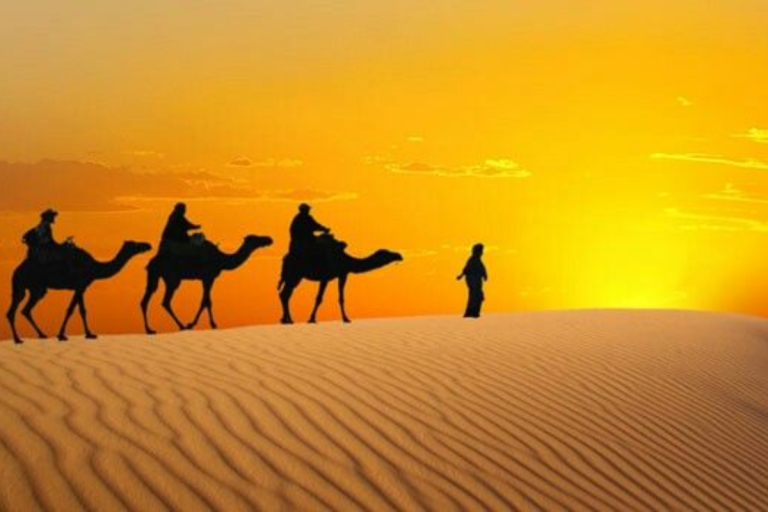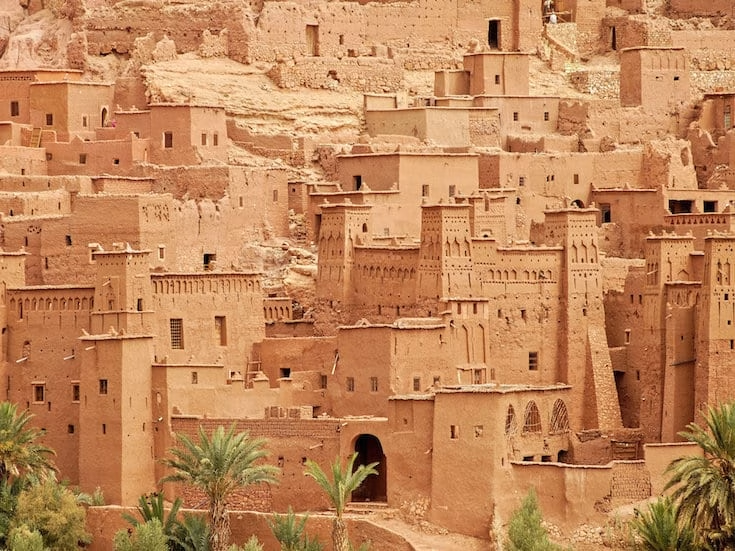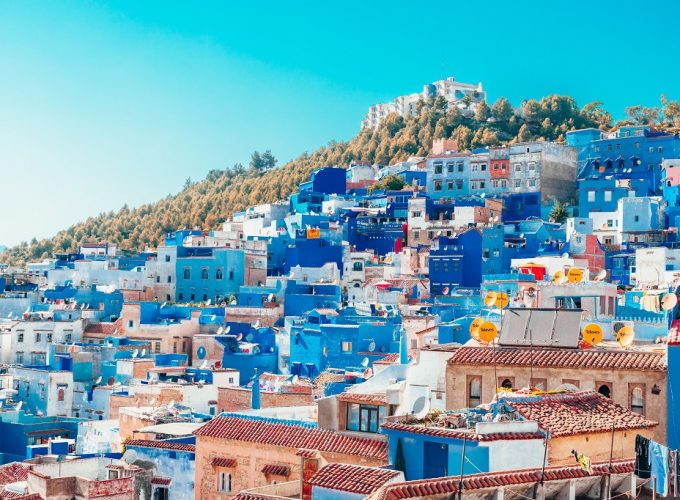


A historical Moroccan city is not just a destination on a map — it is a living story written across centuries of dynasties, trade routes, scholars, sultans, and artisans. Morocco’s cities are among the most culturally layered in the world, shaped by Berber origins, Arab-Islamic expansion, Andalusian refinement, Sub-Saharan trade, and even European diplomacy.
In 2026, exploring a historical Moroccan city offers more than sightseeing. It is an immersive journey through ancient medinas, monumental gates, royal palaces, sacred mosques, and vibrant souks where traditions remain alive. Whether you are passionate about architecture, history, religion, craftsmanship, or photography, Morocco’s imperial cities deliver unforgettable depth and authenticity.
This complete guide explores the most important historical Moroccan cities, their heritage, architecture, culture, travel tips, and why they should be part of your Morocco itinerary.
What Defines a Historical Moroccan City?
Before diving into specific destinations, it’s important to understand what makes a city historically significant in Morocco.
A historical Moroccan city typically includes:
-
A UNESCO-listed or centuries-old medina
-
Monumental gates and defensive walls
-
Royal palaces and imperial architecture
-
Traditional souks and artisan quarters
-
Religious landmarks such as mosques and madrasas
-
A legacy tied to Moroccan dynasties (Almoravid, Almohad, Marinid, Saadian, Alaouite)
Unlike museum cities frozen in time, Moroccan historic cities remain vibrant and inhabited. Daily life continues inside ancient walls, blending tradition and modernity seamlessly.
Fes – The Spiritual and Intellectual Heart of Morocco
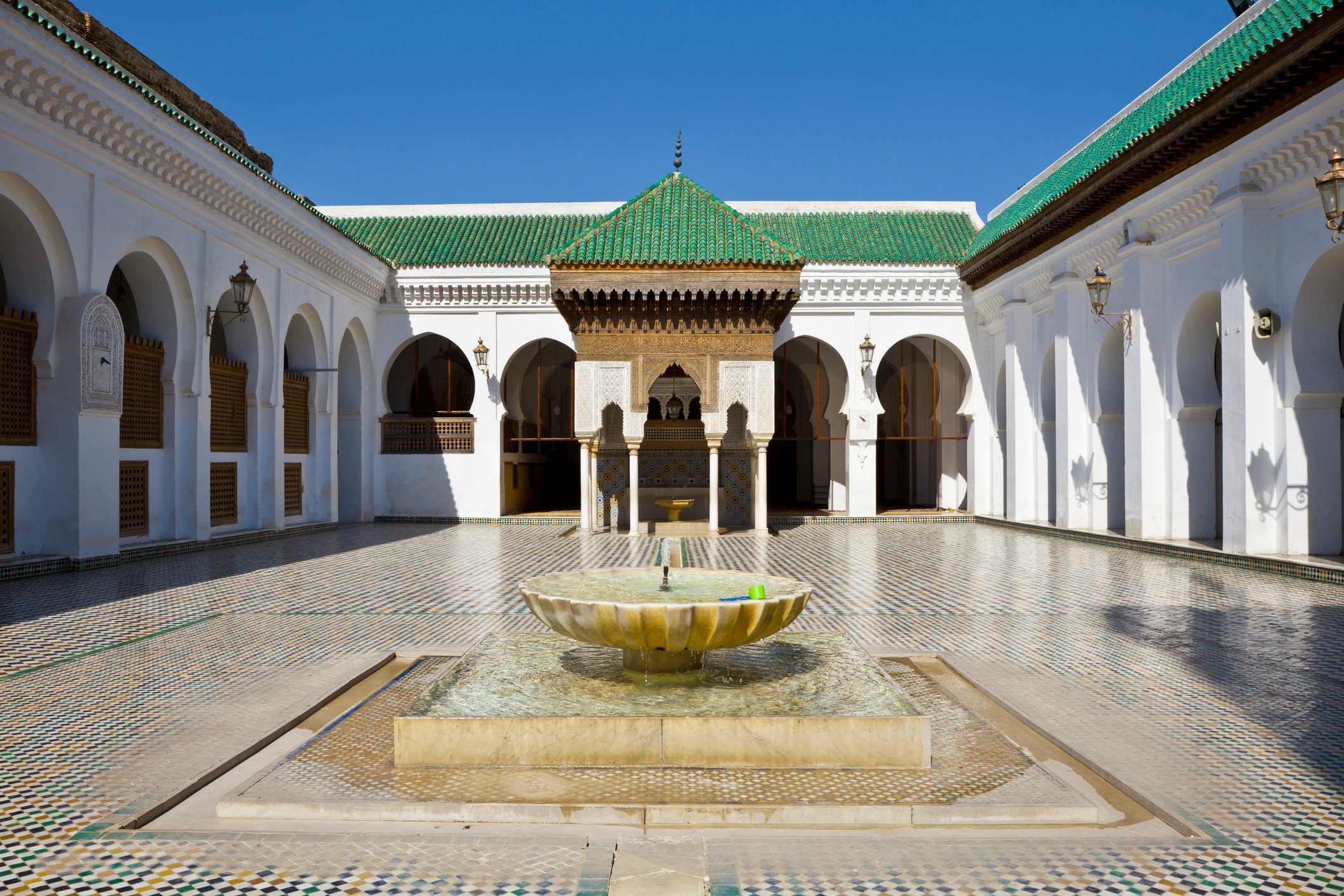
Fes is widely regarded as the most authentic historical Moroccan city. Founded in the 8th century, Fes became Morocco’s spiritual and intellectual capital.
The Medina of Fes el-Bali
The medina of Fes el-Bali is one of the largest car-free urban areas in the world. Walking through its narrow alleyways feels like stepping back into the Middle Ages. Donkeys transport goods, artisans hammer copper by hand, and the scent of spices fills the air.
University of Al Quaraouiyine
Founded in 859 AD, University of Al Quaraouiyine is considered the oldest continuously operating university in the world. It symbolizes Fes’s role as a global center of Islamic scholarship.
Chouara Tannery
The iconic leather tannery continues to operate using centuries-old methods. From nearby terraces, visitors can witness vibrant dyeing vats — one of the most photographed scenes in Morocco.
Fes is ideal for travelers seeking depth, authenticity, and living history.
Marrakech – The Red Imperial City
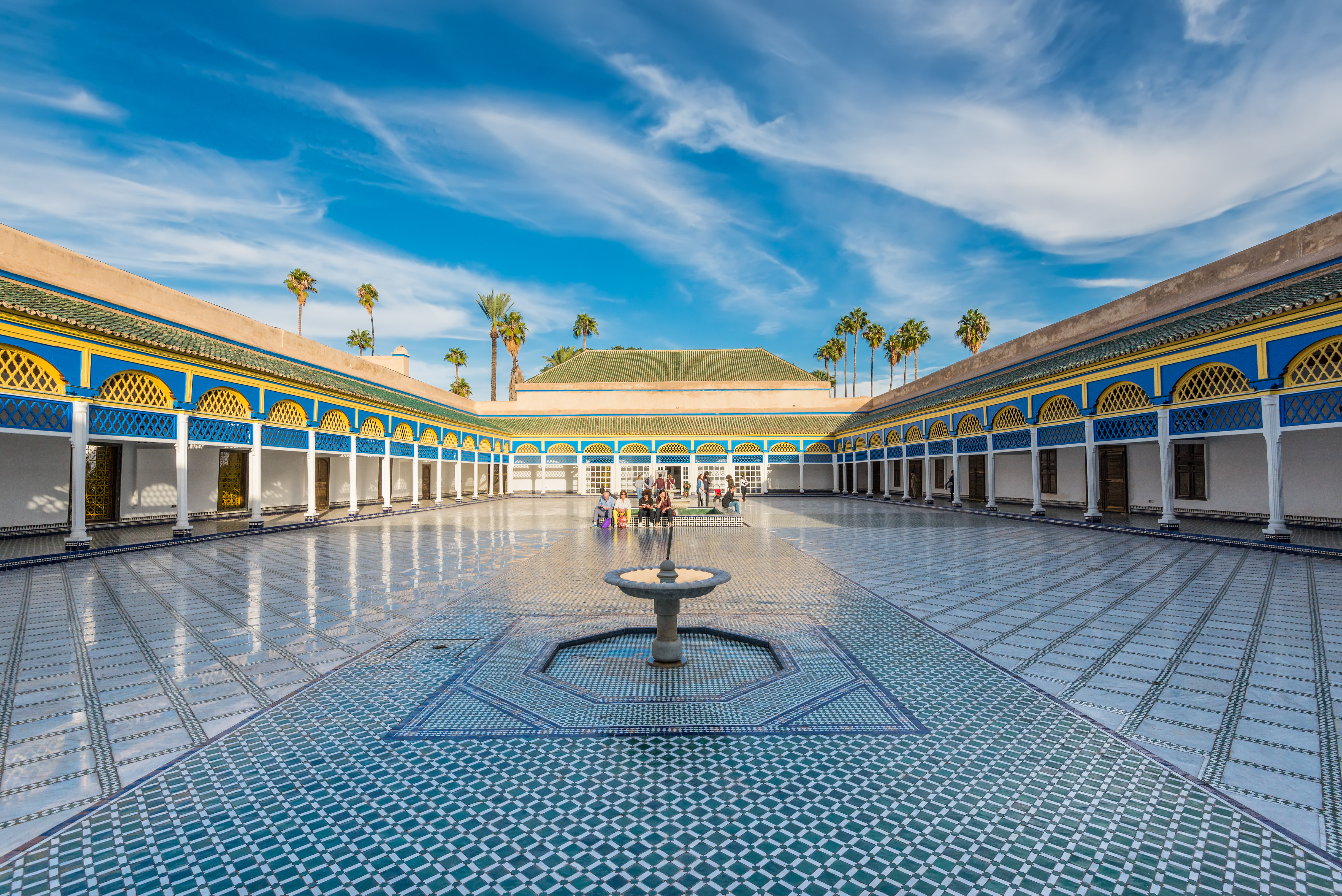
Marrakech is a historical Moroccan city that blends imperial grandeur with vibrant energy.
Founded in 1070 by the Almoravids, Marrakech became a political and cultural powerhouse.
Jemaa el-Fnaa
Jemaa el-Fnaa is the beating heart of Marrakech. By day, juice vendors and snake charmers entertain crowds. By night, food stalls and storytellers transform the square into a theatrical spectacle.
Koutoubia Mosque
The 12th-century Koutoubia Mosque dominates the skyline. Its minaret inspired Spain’s Giralda in Seville.
Bahia Palace & Saadian Tombs
These landmarks showcase exquisite zellige tilework, carved cedarwood, and royal craftsmanship.
Marrakech perfectly balances historical depth with luxury riads and modern gastronomy.
Rabat – The Elegant Royal Capital

Rabat is Morocco’s political capital and one of its most refined historical Moroccan cities.
Hassan Tower
Hassan Tower is an unfinished 12th-century minaret that stands as a symbol of ambitious Almohad architecture.
Mausoleum of Mohammed V
Mausoleum of Mohammed V houses the tombs of Morocco’s royal family members and reflects modern Alaouite craftsmanship.
Kasbah of the Udayas
Kasbah of the Udayas offers Andalusian-style streets overlooking the Atlantic Ocean.
Rabat combines heritage with calm sophistication.
Meknes – The Imperial Power of Sultan Moulay Ismail

Meknes was transformed into an imperial capital in the 17th century.
Bab Mansour
One of Morocco’s most impressive gates, Bab Mansour reflects the grandeur of Sultan Moulay Ismail’s reign.
Royal Stables
Designed to house thousands of horses, the scale demonstrates imperial ambition.
Meknes offers fewer crowds while maintaining monumental history.
Tangier – The Gateway Between Continents

Tangier has long been a crossroads between Africa and Europe.
Phoenicians, Romans, Arabs, and Europeans all influenced its development. Tangier became an international zone in the 20th century, attracting writers and diplomats.
Its Kasbah overlooks the Strait of Gibraltar, and nearby Cap Spartel marks the meeting of the Atlantic and Mediterranean.
Architectural Features of Historical Moroccan Cities
Zellige Tilework
Intricate geometric mosaic patterns decorate walls, fountains, and palaces.
Riads
Traditional homes centered around interior courtyards now serve as boutique hotels.
City Gates (Bab)
Monumental gates symbolize both defense and artistic mastery.
Minarets
Elegant towers define city skylines and reflect Islamic architectural heritage.
Cultural Experiences in Historical Moroccan Cities
Visiting a historical Moroccan city means engaging with living traditions:
-
Traditional Moroccan cuisine
-
Hammam rituals
-
Artisan workshops (leather, ceramics, carpets)
-
Religious festivals
-
Calligraphy and music performances
These cultural layers add depth beyond monuments.
Best Time to Visit
-
Spring (April–June): Pleasant temperatures
-
Autumn (September–November): Ideal for walking tours
-
Winter: Mild and less crowded
-
Summer: Very hot inland, better for coastal cities
How Many Days to Spend?
-
Fes: 2–3 days
-
Marrakech: 3 days
-
Rabat: 1–2 days
-
Meknes: 1 day
-
Tangier: 1–2 days
A combined imperial city tour typically takes 7–10 days.
Combining Historical Cities with Other Moroccan Experiences
Many travelers pair historical Moroccan city tours with:
-
Sahara Desert excursions
-
Atlas Mountains trekking
-
Coastal stays in Essaouira or Agadir
-
Luxury riad stays
-
Culinary tours
This variety makes Morocco uniquely diverse.
Why Visit a Historical Moroccan City in 2026?
Morocco continues to restore monuments, improve infrastructure, and promote cultural tourism. Visitors now enjoy:
-
Improved museum displays
-
Boutique heritage hotels
-
Expert local guides
-
Cultural festivals
-
Safe and accessible travel routes
Exploring a historical Moroccan city today means experiencing preserved heritage with modern comfort.
Final Thoughts
A historical Moroccan city offers something rare in today’s world: living history. These cities are not relics of the past — they are vibrant communities shaped by centuries of influence.
From the spiritual depth of Fes to the imperial spectacle of Marrakech, the elegance of Rabat, the grandeur of Meknes, and the international spirit of Tangier, Morocco’s historic cities continue to captivate travelers in 2026.
Walking through their medinas, hearing the call to prayer echo across ancient walls, and witnessing artisans at work connects you to a timeless legacy that few destinations can match