
Ultimate Guide to Morocco Desert Tours (2026) – Everything You Need to Know Before You Go
Discover the ultimate guide to Morocco Desert Tours in 2026. Explore Merzouga desert tours, camel trekking in Merzouga, Dunes of Erg Chebbi, luxury trips to Morocco, custom tours, private tours, and more. Plan your perfect Sahara adventure today.
Introduction: Why Morocco Desert Tours Are Unforgettable
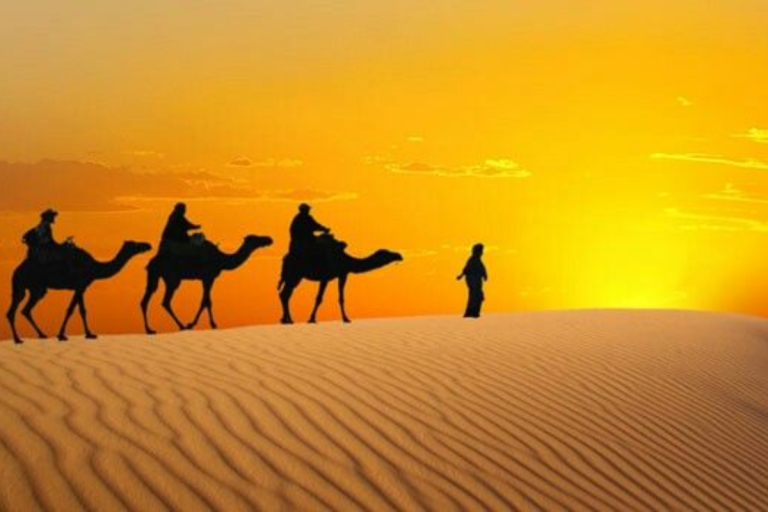
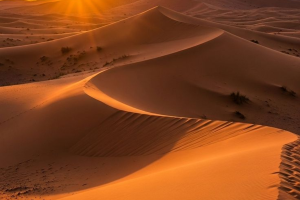
The Sahara Desert in Morocco is, without a doubt, one of the most extraordinary travel experiences the world has to offer. Imagine standing atop a towering golden dune as the sun rises, painting the sand in shades of amber and rose. Picture yourself riding a camel in a slow, rhythmic caravan across an ocean of sand, the silence broken only by the soft crunch of footsteps. As night falls, you settle into a traditional Berber camp, share mint tea with locals, listen to drumbeats around a fire, and sleep under a blanket of stars so bright they seem almost artificial.
If you are planning your first Morocco desert tour, this comprehensive guide is designed to answer every question you might have. From choosing between Merzouga and Zagora, to understanding the best season for travel, to packing the right gear, we cover it all. Whether you seek a luxurious escape in a premium camp or a rugged adventure on a budget, this article will help you craft the perfect itinerary. Furthermore, we will explore various tour categories, including Marrakech desert tours, Fes desert tours, Morocco tours from Casablanca, and tours from Tangier, so that you can choose the starting point that suits you best.
A Morocco desert tour is not just a trip; it is a journey into the heart of a landscape that has fascinated travelers for centuries. The immense silence, the dramatic geological formations, the warm hospitality of the Berber people, and the sense of timelessness all combine to create an experience that stays with you long after you leave. In this guide, we will walk you through every aspect of visiting the Sahara, ensuring that your desert adventure is as smooth and magical as possible. Moreover, we will show you why Morocco Desert Friends, custom tours Morocco, and Morocco private tours are excellent options to make your trip truly yours.
Why Visit the Sahara Desert in Morocco?
A Unique Blend of Adventure and Culture
The Moroccan Sahara offers a combination of natural beauty and cultural immersion that you simply cannot find elsewhere. Unlike many desert regions that are remote and difficult to access, the Moroccan desert is well-connected and can be easily included in a broader tour of the country. This accessibility makes it an ideal destination for first-time visitors to Africa, solo travelers, couples, and families alike. As a result, thousands of travelers choose Morocco desert trips every year to experience the magic of the golden dunes.
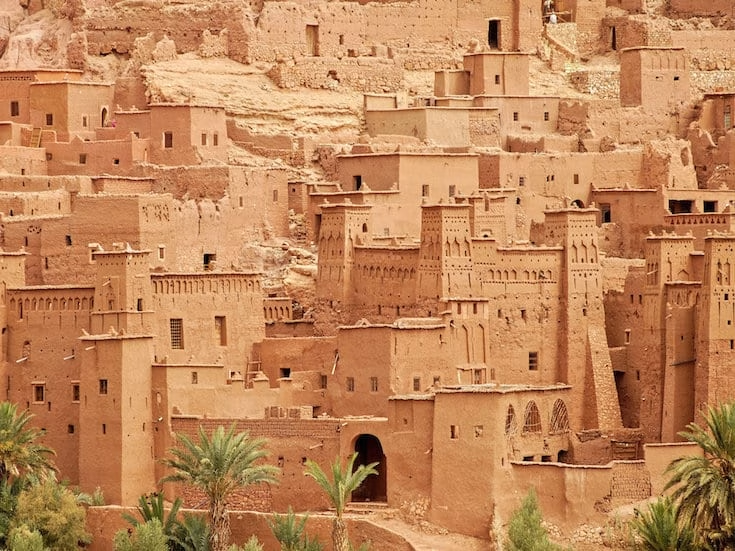
The landscapes are staggeringly varied: from vast seas of sand dunes known as ergs, to rocky plateaus, deep canyons, and lush oases dotted with palm trees. The desert is also home to ancient kasbahs and fortified villages that tell stories of centuries-old trade routes and Berber traditions. You can wander through the mud-brick alleys of Aït Ben Haddou, a UNESCO World Heritage site, or hike through the dramatic Todra Gorges, where cliffs rise hundreds of meters from the riverbed. Therefore, you are not just visiting a desert; you are exploring a living museum of culture and history.
Activities for Every Traveler
A Morocco desert tour is not just about passively looking at sand. It offers a dizzying array of activities that will appeal to thrill-seekers and culture lovers alike. Camel trekking is the classic way to explore the dunes, and even if you have never ridden a camel before, you will quickly settle into the gentle sway of these “ships of the desert.” For the more adventurous, sandboarding down steep dune faces provides an adrenaline rush, while quad biking allows you to cover more ground in less time. Indeed, quads Merzouga are a popular addition to many itineraries, offering an exhilarating alternative to the slow-paced camel trek.
Beyond the physical activities, the desert is a place of profound cultural exchange. You will have the opportunity to visit nomadic families, learn how to prepare traditional Berber bread, and listen to stories told around a campfire under the stars. The night sky in the Sahara is unlike any you have ever seen; with no light pollution, the Milky Way stretches from horizon to horizon, and shooting stars are a common sight. This combination of adventure, culture, and natural wonder is why so many travelers consider their desert excursion the highlight of their entire trip in Morocco. Consequently, whether you book a luxury trip to Morocco or a budget-friendly adventure, the desert will always deliver.
Where Is the Sahara Desert in Morocco?
Location and Geography
Many travelers mistakenly assume that the Sahara begins just outside Marrakech or that you can see sand dunes from the city limits. In reality, the iconic dunes of the Moroccan Sahara are located in the southeastern part of the country, near the border with Algeria. The two most famous dune fields are Erg Chebbi, near the town of Merzouga, and Erg Chigaga, deeper into the desert beyond Zagora. Understanding this geography is essential for planning your route and deciding which desert experience to have.
The term “erg” refers to a vast area of continuous sand dunes, while “hamada” is a rocky desert plateau. Erg Chebbi is the more popular destination, with dunes rising up to 150 meters and stretching over 22 kilometers from north to south. Erg Chigaga, on the other hand, is larger but more isolated, with dunes that tower up to 300 meters in some places. Both offer stunning views, but they differ significantly in terms of accessibility, tourist infrastructure, and overall atmosphere. Therefore, your choice will depend on how much time you have and what kind of experience you seek.
Erg Chebbi: The Iconic Dunes of Merzouga
Erg Chebbi is the postcard-perfect Sahara that most visitors dream of. Located just outside the small village of Merzouga, its massive golden dunes are visible from miles away. The area is well-developed for tourism, with a wide selection of desert camps ranging from basic to ultra-luxurious. Because of its popularity, you will find more amenities, more guides, and more organized tours, which can be a comfort for first-timers. In particular, Merzouga desert tours are the most sought-after, offering easy access to the famous Dunes of Erg Chebbi.
The sheer size of the dunes is the main draw. From the top of the highest dune, you can see an endless sea of sand that shifts in color from bright gold at midday to deep orange at sunset. The sunrise view from Erg Chebbi is particularly spectacular, as the changing light creates a play of shadows and highlights that is a photographer’s dream. Camel caravans are a common sight, and you will often hear the call of sand grouse echoing across the dunes. If you want convenience and guaranteed scenery, Erg Chebbi is the perfect choice. Moreover, a camel ride in Merzouga is an experience you will not want to miss.
Erg Chigaga: The Remote Adventure
For those who prefer a more off-the-beaten-path experience, Erg Chigaga offers an unforgettable journey into the wild. Located about 55 kilometers from the town of M’Hamid, which itself is beyond Zagora, this dune field is much less visited. The drive to reach it involves crossing rocky desert plains and dry riverbeds, often requiring a 4×4 vehicle and experienced local drivers. The sense of remoteness is palpable; you may go for hours without seeing another person.
Erg Chigaga is not as high as Erg Chebbi, but its dunes are still impressive, and the solitude makes it feel even more vast. Here, you can truly disconnect from the modern world, camping in simple tents or under the open sky. The lack of light pollution makes stargazing incredible, and the silence is almost meditative. If you are an experienced traveler seeking a raw, authentic desert encounter, Erg Chigaga is the place to go. However, you must be prepared for longer travel times and fewer amenities. Nevertheless, the reward is an untouched landscape that few visitors ever see.
Merzouga or Zagora: Which Desert Is Right for You?
Merzouga (Erg Chebbi) – The Classic First Choice
When travelers dream of a Morocco desert tour, they often picture the immense dunes of Merzouga. This destination consistently ranks as the most popular for good reason. The dunes of Erg Chebbi are the largest in Morocco, reaching heights that are simply awe-inspiring. The village of Merzouga has grown into a bustling hub of desert tourism, yet it still retains its authentic Berber character. As such, it is the perfect starting point for camel trekking in Merzouga, and the surrounding area offers endless photographic opportunities.
Merzouga is ideal for those who want the full Sahara experience without sacrificing comfort. The range of camps is extensive, from budget-friendly options with shared toilets to opulent suites with private bathrooms, hot showers, and even air conditioning. The proximity to the road means that you can easily take a sunset camel ride, spend the night in the dunes, and return to your car the next morning. For photographers, the golden dunes provide endless inspiration, especially at dawn and dusk. In addition, many Morocco private tours choose Merzouga as their climax, allowing guests to enjoy the dunes at their own pace.
Zagora – The Short and Budget-Friendly Option
Zagora, located about seven hours from Marrakech, is often chosen by travelers with limited time. The town itself is known for its famous sign that reads “Tombouctou 52 jours,” a reminder of the old caravans that crossed the Sahara. The desert near Zagora is flatter and less dramatic than Erg Chebbi, but it still offers a taste of the Sahara with camel rides and simple camps. For those who need a quick fix, Zagora can be a convenient choice, especially on a two-day excursion from Marrakech.
However, the dunes in Zagora are not as tall or photogenic as those in Merzouga. Many tour operators offer a two-day excursion from Marrakech that includes a night in a desert camp near Zagora. This is a great option if you are pressed for time and want to experience a camel ride and a night under the stars without committing to a longer journey. But if you have the time, the extra drive to Merzouga is more than worth it. Additionally, custom tours Morocco can easily adjust the itinerary to include either region, based on your preferences and time constraints.
Our Verdict: When to Choose Which
In our experience, if you have at least three days to spare, you should absolutely choose Merzouga. The dunes are dramatically larger, the camps are more luxurious, and the overall experience is far more memorable. The extra two to three hours of driving compared to Zagora is a small price to pay for the iconic scenery that most people associate with the Sahara. Consequently, Merzouga desert tours remain the best-sellers among our customers.
If you are on a very tight schedule, or if you are primarily interested in a quick desert experience, then Zagora might suffice. However, be aware that you will likely be disappointed if you expect to see towering orange dunes. For the full Morocco Desert Tours experience, we always recommend making the journey to Merzouga. It is the destination that will leave you with the most vivid memories and photographs. Therefore, plan your schedule accordingly and give the Sahara the time it deserves.
Best Time to Visit the Moroccan Sahara Desert
October to April: The Ideal Window
The most pleasant time to visit the Sahara in Morocco is from October to April. During these months, daytime temperatures are comfortable, ranging from 20°C to 30°C (68°F to 86°F), while nights become cool but manageable, with lows between 5°C and 15°C (41°F to 59°F). This is the perfect climate for camel trekking, spending time outdoors, and enjoying evening campfires. As a result, this period sees the highest number of Morocco desert trips and desert trips Morocco.
The winter months, especially December and January, can be quite cold at night, with temperatures occasionally dropping near freezing. However, the days are still sunny and pleasant, and the clear skies make for outstanding stargazing. This season also coincides with the high tourist season, so be sure to book your accommodation and tours well in advance, especially if you plan to travel during Christmas, New Year, or Easter. Furthermore, for those planning a luxury trip to Morocco, this is the perfect time to enjoy the heated tents and hot tubs that many premium camps provide.
May and September: Shoulder Season Advantages
If you prefer to avoid the largest crowds, consider visiting in May or September. These months offer warm weather, with daytime highs often reaching 35°C (95°F) but rarely exceeding 40°C. The nights remain comfortable, and you will find that camps are less crowded, giving you a more peaceful experience. This is also a great time for photography, as the sun’s angle creates longer shadows and more dramatic colors. Moreover, the shoulder season is an excellent time for Morocco custom tours, as you can often get better rates on accommodation and guide services.
One advantage of the shoulder season is that prices for tours and accommodations may be slightly lower than in peak months. You may also have more flexibility in choosing your exact campsite or activity schedule. However, be prepared for sometimes strong winds, especially in March and April, which can occasionally create sandstorms. Always check the weather forecast before your trip and pack accordingly. In other words, the shoulder season offers a good balance between good weather and fewer tourists.
June to August: Handling the Extreme Heat
Summer in the Moroccan Sahara is undeniably intense. Daytime temperatures can easily exceed 45°C (113°F), making any outdoor activity between 11 a.m. and 4 p.m. extremely challenging. That said, some travelers still choose to visit during these months to take advantage of lower prices and smaller crowds. If you do go in summer, you must plan your activities for early morning and late evening. Additionally, you should always carry extra water and sun protection.
Many desert camps are designed to cope with the heat, offering shaded areas, cold drinks, and even air-conditioned tents in high-end accommodations. You will likely wake early to watch the sunrise, then retreat to rest in the middle of the day, and then set out for another excursion after sunset. The nights, while still warm, are more bearable, and the sky is often completely clear. With careful planning, a summer Sahara trip can still be rewarding, but it is not recommended for those sensitive to high temperatures. Therefore, unless you are used to extreme heat, we suggest avoiding these months for your morocco desert tour.
How to Get to the Sahara Desert
From Marrakech: The Classic Route
Marrakech is the most common starting point for Marrakech desert tours and Morocco Desert Tours. The journey takes you through the High Atlas Mountains via the Tizi n’Tichka pass, which at 2,260 meters is the highest paved road in North Africa. The drive itself is a scenic adventure, passing through Berber villages, red-earth valleys, and ancient kasbahs. You will likely stop at Aït Ben Haddou, the famous ksar that has appeared in many films, including Gladiator and Game of Thrones. In fact, many Marrakech Tours include this site as a mandatory stop.
After crossing the mountains, you will enter the Ouarzazate region, known as the “Gateway to the Sahara.” From there, the road continues through the Skoura palm groves, the Dades Valley, and the Todra Gorges, before finally arriving at Merzouga. The total distance is about 560 kilometers, and most tours break the journey over two days, spending a night in the Dades or Todra area to avoid a marathon drive. The recommended minimum is three days for this route; four days is even more comfortable. Consequently, if you are booking a Marrakech desert tour, make sure you allot enough time to enjoy the journey itself.
From Fès to Merzouga: The Northern Gateway
If you are traveling from northern Morocco, you can start a Fes Desert Tour from Fès. The route passes through the Middle Atlas mountains, where you will drive through cedar forests that are home to Barbary macaques, then descend into the Ziz Valley, famous for its palm groves and prehistoric fossils. The landscape becomes increasingly arid as you approach Merzouga. This route is often chosen as a one-way trip, ending in Marrakech after the desert. Many travelers take advantage of this to avoid backtracking.
A typical 3-day Fes Tours desert itinerary includes a night in a traditional hotel, then a night in the desert camp, and then a full day of driving back to Marrakech through the Atlas Mountains. The sequence can be reversed as well. Whether you start in Fès or Marrakech, the desert experience itself is the same, but the surrounding scenery offers different highlights. Thus, you can combine a Fes tour with a desert excursion to create a comprehensive Moroccan adventure.
Driving Yourself vs. Guided Tours
While it is possible to drive yourself to the Sahara in a rental car, it is not always recommended. Long distances, winding mountain roads, and the need for a 4×4 if you want to explore the deeper dunes make an experienced local driver a valuable asset. Morocco Desert Tours typically include minivan or 4×4 transportation with a knowledgeable guide who can also provide insights into local culture and history. Therefore, even if you are an experienced driver, we strongly suggest considering a Morocco private tour for safety and comfort.
Guided tours handle all logistics, including accommodation, meals, and camel rides, which takes the stress out of planning. For those who prefer independence, you can hire a private driver for the entire journey or use public buses to reach Merzouga, but you will then need to arrange your desert camp and activities on the spot. For a seamless experience, we recommend booking a tour with a reputable operator like Morocco Desert Guide. Additionally, Morocco private tours offer the flexibility to pause, take photos, and adjust the route according to your interests.
What Happens on a Typical Morocco Desert Tour?
Day 1: From Marrakech to the Desert Fringes
Your adventure begins early as you depart Marrakech and head over the High Atlas. You will spend the morning winding through mountain passes, with several photo stops at panoramic viewpoints. Around midday, you will arrive at Aït Ben Haddou, where you can explore the fortified village and learn about its history as a trading post on the old route to Timbuktu. Lunch is often taken in the nearby town of Ouarzazate. Meanwhile, your guide will share stories about the region, making the drive both educational and entertaining.
In the afternoon, you continue along the Route of a Thousand Kasbahs, passing through the Dades Valley with its dramatic rock formations. The road to the Dades Gorges offers a stunning drive through canyons and small Berber villages. Your overnight stay will be in a traditional riad or hotel, where you can relax on the terrace and enjoy a home-cooked dinner. This first day is all about soaking in the changing landscapes as you transition from the green mountains to the arid south. Moreover, it is the perfect time to ask your guide any questions about the desert and Berber culture.
Day 2: Arrival at the Dunes and Camel Trek
After breakfast, you will drive through the Todra Gorges, a massive canyon carved by the Todra River. The sheer limestone walls rise to 300 meters in some places, creating a narrow corridor that is popular with rock climbers. A short walk through the gorge is highly recommended before continuing your journey towards Merzouga. This is also a major stop on most Marrakech desert tours, and for good reason; the canyon is absolutely breathtaking.
In the late afternoon, you arrive at the edge of Erg Chebbi. Here, you will meet your camels and their guide, who has prepared the saddles for you. The traditional camel ride in Merzouga begins, taking you on a slow, swaying journey over the dunes toward the desert camp. As the sun begins to set, the colors of the sand become more vivid, and you will have ample opportunities for photography. Your camel will lead you to a camp hidden between the dunes, where a warm welcome awaits. You will be shown to your tent or room, and after settling in, a dinner is served under a starry sky. To end the evening, the Berber staff will play drums and sing traditional songs around the campfire. You are encouraged to join in the music or simply lie back and gaze at the stars. It is a night you will never forget.
Day 3: Sunrise and Return
The next morning, you are woken early to climb the nearest high dune and watch the sunrise. This moment is often described as the most magical of the entire trip. As the sun appears over the horizon, the dunes are bathed in a golden glow, and the silence is profound. After returning to the camp, a hearty breakfast is served, and you will pack up to leave. If you have chosen a custom tour Morocco, you may decide to spend more time here or extend your trip with a visit to a nomadic family.
Depending on your itinerary, you may return to Marrakech directly, or you might spend another day exploring the area. Some tours include a visit to the nomadic families who live near the dunes, or a trip to Lake Dayet Srji, where pink flamingos gather in the winter. The drive back takes you through the same breathtaking landscapes, but now you are heading home, carrying with you the unforgettable memories of the Sahara. If you are continuing your Morocco itinerary, the tour can drop you off in Fès or another city. Thus, the typical three-day Morocco Desert Tour offers a perfect balance of adventure and relaxation.
What to Pack for a Sahara Desert Trip
Clothing Essentials for Day and Night
Packing correctly can greatly enhance your comfort and enjoyment during a Morocco desert tour. The desert experiences extreme temperature swings, so you need to be ready for hot days and chilly nights. Lightweight, breathable fabrics such as cotton or linen are perfect for the daytime, while long sleeves and long pants protect you from the sun and sand. A loose-fitting scarf or shawl is indispensable; it can shield your face during a sandstorm, cover your head from the sun, and provide an extra layer in the evening. Furthermore, choose light colors to reflect heat, and avoid dark colors that absorb it.
For the nights, bring a warm jacket, fleece, or sweater, as temperatures can drop significantly, especially from November to March. It is also wise to pack a pair of thick socks for the camel ride, and an extra pair to change into at night. Closed-toe walking shoes are essential for the trekking portions, while sandals or flip-flops are ideal for relaxing around the camp. In short, you should dress in layers to easily adapt to the changing temperatures throughout the day.
Accessories and Gear
Your desert kit should also include sunglasses with UV protection, a wide-brimmed hat, and high-SPF sunscreen. Lip balm and moisturizer are crucial, as the dry desert air can chap your skin. A reusable water bottle is vital; you will need to drink more water than you think. Many camps provide drinking water, but it is always good to have your own. Additionally, you may want to bring a hydration pack if you plan to do a lot of walking.
In addition to your phone, bring a portable power bank because many camps have limited electricity, and you may not have easy access to a plug. A good camera is a must, and we recommend carrying extra batteries and memory cards, as you will take hundreds of photos. Consider a headlamp or flashlight for nighttime bathroom trips, as some camps have uneven paths between tents. A small first aid kit with any personal medications, as well as wet wipes and travel-size toiletries, is also advisable. Therefore, your packing list should be thorough yet light enough to be carried comfortably in a duffel bag.
Is Desert Camping Comfortable?
Standard Camps: Authentic Charm with Basic Amenities
For many travelers, the classic Moroccan desert camp is part of the charm. Standard camps aim to offer an authentic experience, often using traditional Berber tents made of goat hair or heavy canvas. Inside, you will typically find comfortable mattresses on the floor, thick blankets, and sometimes a small side table. Lighting is often by lantern or low-wattage bulbs, powered by a generator that runs for limited hours. Consequently, the atmosphere is cozy and intimate, reminiscent of a bygone era.
Facilities in standard camps usually include shared bathroom blocks with toilets and basic wash basins. Hot water may not be available at all times, but most camps will provide a bucket of warm water in the morning or evening for washing. Meals are served in a communal dining tent, featuring tagine, couscous, and other Moroccan specialties. If you are looking for a genuine desert experience and don’t mind sacrificing some conveniences, a standard camp is a great choice. In fact, many Moroccan Desert Trips intentionally use these camps to preserve a sense of authenticity.
Luxury Camps: Modern Comfort Under the Stars
In recent years, luxury desert camps have transformed the Sahara experience. These camps offer a level of comfort that rivals upscale hotels. Tents are spacious with real beds, plush bedding, and sometimes even a private terrace. En-suite bathrooms are standard, complete with flushing toilets, hot showers, and Egyptian cotton towels. Some luxury camps even have air conditioning or heating, depending on the season. As a result, a luxury trip to Morocco in the desert is now synonymous with total relaxation.
Dining in a luxury camp is a culinary event, with multi-course meals served by candlelight. You might find a full bar, a library, and seating areas with sofas and carpets. Many luxury camps also offer extras such as sunset cocktails at a dune lookout, private stargazing sessions with a telescope, and spa treatments. These camps are ideal for honeymooners, couples celebrating special occasions, and anyone who wants to enjoy the desert without compromising on comfort. Hence, if comfort is a priority, you can still have an unforgettable Sahara experience in a glamorous setting.
What to Expect at Night
Regardless of your camp choice, one thing is universal: the night sky is spectacular. With zero light pollution, the stars appear so vivid that they seem closer than ever. Ask the camp staff to turn off any decorative lights so that you can fully appreciate the Milky Way. The silence at night is deep, broken only by the wind and the occasional sound of camel bells from nearby caravans. If you are used to the hum of the city, this silence can be both eerie and liberating. However, we assure you that you will quickly adapt and enjoy the peace.
While the desert can be cold at night, you will be provided with warm blankets and, in luxury camps, heaters. It is a good idea to bring your own thermal base layers if you are sensitive to the cold. Wearing socks to bed can make a big difference. And be sure to wake up early, not just to catch the sunrise, but to experience the desert’s calmest hour. In conclusion, a night in the Sahara is a highlight of any trip in Morocco, regardless of whether you choose a standard or luxury camp.
What Food Is Served in the Desert?
Traditional Moroccan Cuisine
Moroccan gastronomy is a highlight of any trip, and desert camps are no exception. The food served during a Morocco desert tour is typically hearty, flavorful, and prepared with fresh, local ingredients. The most iconic dish is tagine, a slow-cooked stew of meat, vegetables, and spices prepared in a conical clay pot. You will find variations with chicken, lamb, beef, or fish, seasoned with saffron, cumin, coriander, and preserved lemons. Furthermore, every meal is an opportunity to savor the rich culinary heritage of Morocco.
Couscous, Morocco’s national dish, is another staple, especially on Fridays. It is served with a rich vegetable and meat sauce. Grilled meats, such as kebabs or lamb chops, are often prepared over an open fire in the evening. No meal is complete without fresh salads, made with tomatoes, cucumbers, carrots, and oranges, and the famous Moroccan bread, khobz, baked in a wood-fired oven. This combination of flavors and textures makes every dinner a feast for the senses.
Dining Under the Stars
Dinner in a desert camp is a memorable event. The tables are set with colorful linens, lanterns, and candles. As you dine, the staff will often perform traditional music and dance. Theatrical presentations of mint tea, where the tea is poured from a height to create a foamy top, are a ritual you will not want to miss. Moreover, the intimate setting of a candlelit table under the vast canopy of stars adds a magical element to your meal.
Vegetarian and vegan options are increasingly available in most camps, but it is always wise to notify your tour operator in advance. Similarly, if you have any food allergies or specific dietary requirements, communicate them clearly. The camp staff is usually eager to accommodate you, and you can expect generous portions and seconds if you wish. Moroccan meals are shared, so be prepared for a convivial atmosphere around the dining table. Therefore, don’t hesitate to ask for more mint tea; it is a gesture of hospitality that will be warmly reciprocated.
Is the Sahara Desert Safe?
General Safety in the Moroccan Desert
The short answer is yes, the Sahara in Morocco is safe for tourists. Morocco has a well-established tourism infrastructure, and the desert regions are regularly patrolled and managed by local authorities. Incidence of crime affecting visitors is extremely low. People in the desert are known for their hospitality, and you are more likely to be offered tea than to encounter any trouble. Still, it is always wise to exercise common sense and follow the guidance of your guides. In other words, a Morocco desert tour is as safe as any other tourist activity in the country.
The great desert is vast, and its main dangers are natural rather than criminal: dehydration, sunburn, getting lost, or suffering from the cold. As long as you stay hydrated, protect yourself from the sun, and remain with your guide, you have nothing to fear. The camps are designed to ensure a safe and comfortable night, with adequate lighting and secure surroundings. Consequently, you can relax and enjoy your adventure without worrying about your safety.
Tips for a Safe and Enjoyable Experience
When you book a Morocco desert tour, ensure you are using a reputable operator. Look for reviews, verify licenses, and ask questions before paying. A professional guide will carry water, offer first aid, and know how to handle emergencies. During your camel ride, listen carefully to instructions; do not stand too close to the camel’s legs, and hold on to the saddle while the animal stands up or sits down. Furthermore, avoid walking too far from the camp without a guide, as the desert can be disorienting.
It is also advisable to protect your belongings. Many camps offer a secure place to store valuables, although they are generally safe in your tent. Avoid carrying large amounts of cash or expensive jewelry. At night, follow your guide when moving around the camp, especially if you need to use the bathroom, to avoid tripping in the dark. By taking these simple precautions, you can fully relax and enjoy your desert adventure. In summary, safety in the Sahara is largely a matter of common sense and preparation.
Can Children Visit the Sahara Desert?
A Family-Friendly Adventure
Absolutely! Many families include a Sahara desert tour in their Morocco vacation, and it often becomes the highlight of the trip for children. Kids are usually fascinated by the camels, the endless sand dunes, and the experience of sleeping in a tent. They can also enjoy sandboarding, building sandcastles, and spotting animal tracks in the morning. The desert is a natural playground that stimulates imagination and curiosity. As a result, family-friendly Morocco Desert Tours are specially designed to accommodate young travelers.
However, families need to plan carefully. The long drives can be tiring for young children, so it is wise to break the journey with plenty of stops. If your children are very young, you may want to choose a shorter camel ride (perhaps just an hour around the dunes) instead of a two-hour trek to and from the camp. Many tour operators can arrange a 4×4 transfer directly to the camp, so that only the adults walk or ride camels. This way, the entire family can enjoy the desert without overtiring the little ones.
Tips for Traveling with Kids
When packing for a family desert trip, include snacks, toys, and activities to keep children entertained during the drives. A book about camels or the desert can set the mood. Always apply sunscreen generously, and make sure children wear hats and sunglasses. During the hot part of the day, plan indoor activities or rest time. Also, remember to bring extra water and baby wipes for quick cleanups.
At night, the desert can be surprisingly chilly, so bring extra layers for your children. Encourage them to use the bathroom before bed to avoid nighttime excursions. Many camps have family-sized tents, but confirm when booking. A Morocco private tour gives you the most flexibility, allowing you to adjust the schedule to your kids’ needs. With a bit of planning, a desert trip is an incredibly enriching experience for the whole family. Therefore, do not hesitate to bring your children along; they will thank you for it.
Popular Morocco Desert Tour Categories
To help you choose the perfect trip, we have compiled a list of the most popular Morocco Desert Tour categories. Whether you are starting from Marrakech, Fès, Casablanca, or Tangier, there is a tour designed to suit your needs.
Marrakech Desert Tours & Marrakech Tours :

Marrakech desert tours are the most common ways to visit the Sahara. These tours typically range from 2 to 4 days and include visits to Aït Ben Haddou, Ouarzazate, the Dades Valley, and the Todra Gorges before reaching Merzouga or Zagora. If you are short on time, a 2-day Marrakech desert tour to Zagora is a quick option, while a 3-day tour to Merzouga is the classic choice. In addition, Marrakech Tours can be combined with desert excursions for a complete Moroccan experience.
Tour from Marrakech :
2 Days Zagora Desert Tour from Marrakech
3 Days Marrakech to Fes Desert Tour
3 Days Tour from Marrakech to Merzouga Desert
4 Days Marrakech to Fes Desert Tour
4 Days Tour from Marrakech to Merzouga Desert
5 Days Tour from Marrakech to Fes
Morocco Itinerary 6 Days from Marrakech
Morocco Itinerary 7 Days from Marrakech
Morocco 10 Days Tour from Marrakech
Morocco 12 Days Tour from Marrakech
Morocco 14 Days Tour from Marrakech
Fes Tours & Fes Desert Tours
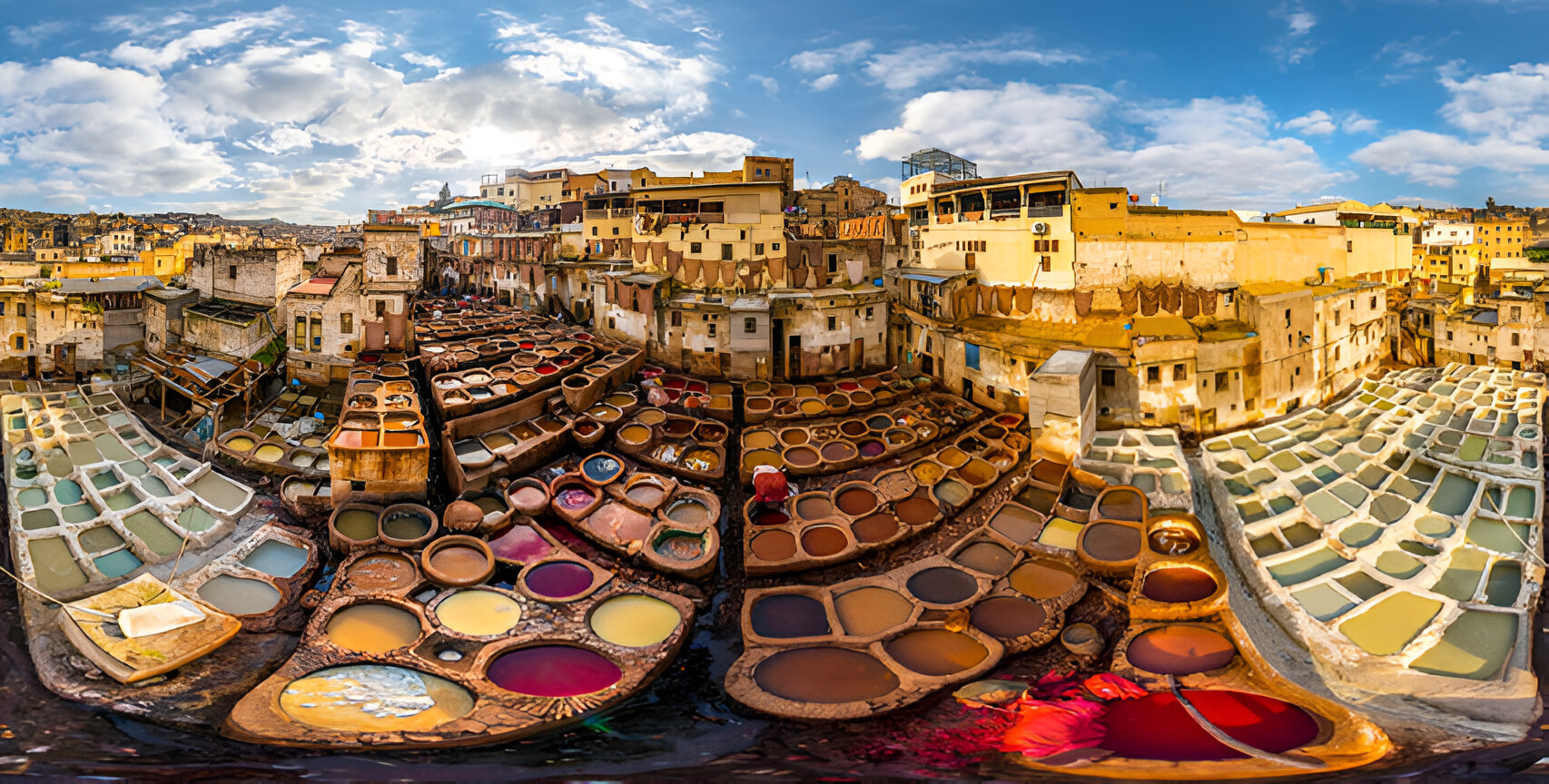
Fes desert tours start from the cultural capital of Morocco and cross the Middle Atlas Mountains before reaching the dunes. These tours are perfect for those who want to see the cedar forests and the Ziz Valley along the way. A typical 3-day Fes to Merzouga desert tour can end in Marrakech, allowing you to travel between imperial cities without backtracking. Likewise, Fes Tours can be customized to include more days in the desert if you wish.
Tour from Fes :
3 Days Fes to Marrakech Desert Tour
3 Days Tour from Fes to Merzouga Desert
4 Days Tour from Fes to Marrakech
4 Days Tour from Fes to Merzouga
5 Days Tour from Fes to Marrakech
7 days Tour from Fes
8 days Tour from Fes
10 Days Tour from Fes
Morocco Tours From Casablanca & Casablanca Tours
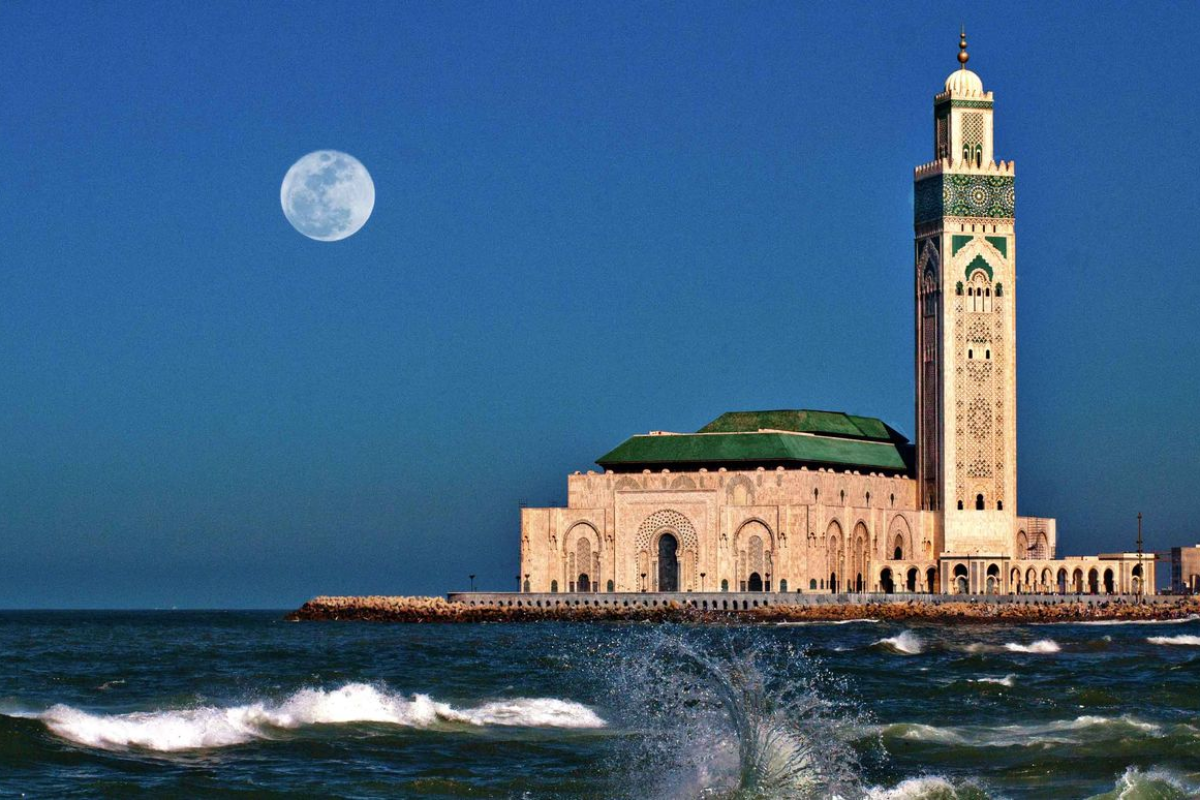
For travelers arriving via Casablanca, Morocco tours from Casablanca are convenient options. Casablanca is Morocco’s economic hub, and many visitors begin their journey here. You can book a desert tour that departs directly from Casablanca, usually spending the first night in Marrakech before heading into the desert. Casablanca Tours can also include the Hassan II Mosque and other city attractions before venturing south.
Tour from Casablanca :
6 Days from Casablanca
7 Days Tour from Casablanca
9 Days from Casablanca
10 Days from Casablanca
11 Days Tour from Casablanca
12 Days Tour from Casablanca
14 Days Tour from Casablanca
Morocco Itinerary 15 Days Tour from Casablanca
16 Days Tour from Casablanca
Tangier Tours & Tours from Tangier :
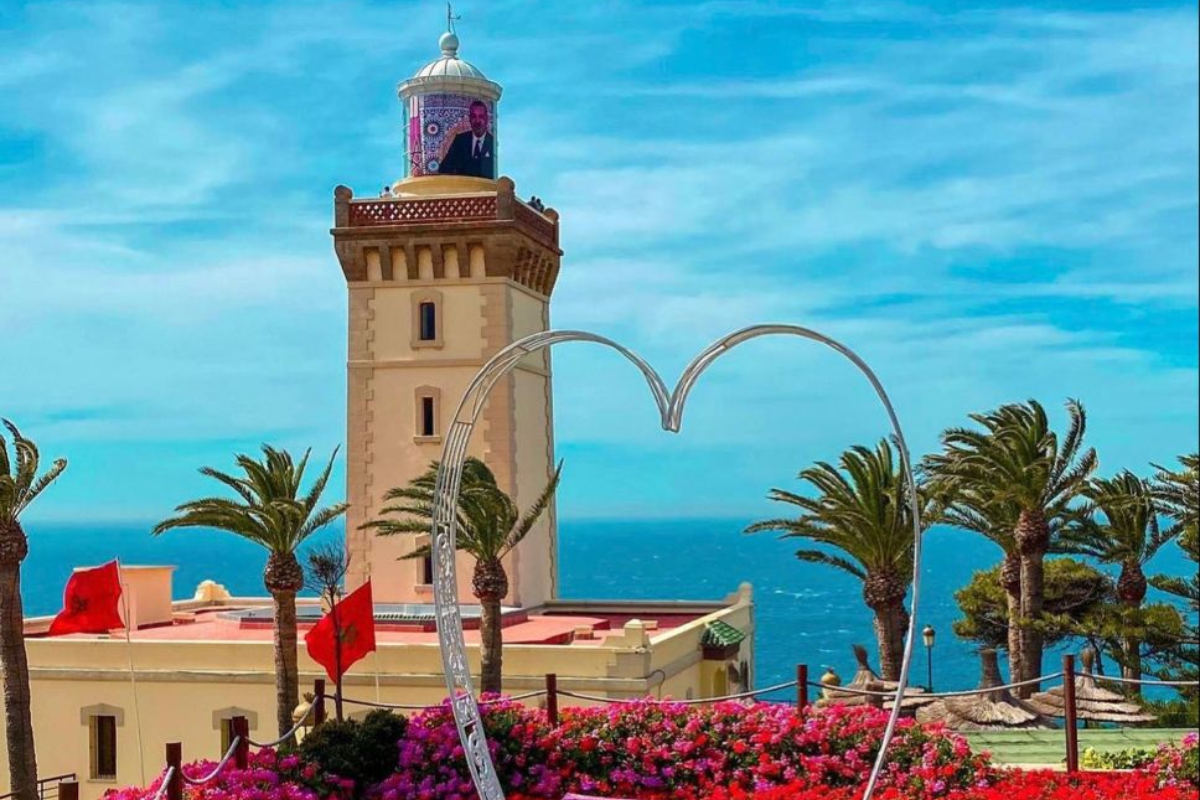
Tangier, located at the northern tip of Morocco, is another gateway to the Sahara. Tours from Tangier are longer because of the distance, typically requiring a minimum of 4 days to include the desert. However, the journey is rewarding, as you’ll pass through the Rif Mountains, the Roman ruins of Volubilis, and the imperial city of Fès. Tangier Tours can be combined with a desert excursion to create a comprehensive northern-to-southern Morocco itinerary.
Tour from Tangier :
5 Days Tour from Tangier
7 Days Tour from Tangier
10 Days Morocco Tour from Tangier
12 Days Tour from Tangier
13 Days Tour from Tangier
15 Days Morocco Tour from Tangier
Custom Tours Morocco, Morocco Custom Tours, Morocco Private Tours
If none of the standard itineraries perfectly fit your needs, custom tours Morocco offer the ultimate flexibility. You can design your own trip, choosing your starting city, the number of days, the type of accommodation (luxury trip to Morocco or budget), and the activities you prefer. Similarly, Morocco private tours ensure that only your group travels together, with a private guide and driver, giving you complete control over your schedule. This is especially popular for honeymooners and families.
Merzouga Desert Tours, Camel Ride in Merzouga, Camel Trekking in Merzouga, Dunes of Erg Chebbi, Quads Merzouga
For those specifically focused on the Merzouga area, Merzouga desert tours offer in-depth exploration of the Dunes of Erg Chebbi. You can enjoy a camel ride in Merzouga at sunset, go camel trekking in Merzouga for a full day, or even ride quads Merzouga across the sand. These activities are often combined into one tour package, allowing you to experience the desert in different ways. No matter what you choose, the majestic Dunes of Erg Chebbi will leave you speechless.
Why Book with Morocco Desert Guide?
Expert Local Knowledge and Personalized Service
At Morocco Desert Guide, we are passionate about sharing the beauty of the Sahara with travelers from around the world. Our team is composed of experienced local guides and drivers who have spent their entire lives in this region. They know the best routes, the most comfortable camps, and the hidden spots that are not marked on any map. We pride ourselves on offering personalized attention, ensuring that every traveler’s needs are met, from dietary requirements to mobility concerns. Furthermore, we are well-versed in all the categories mentioned above and will help you choose the perfect tour.
We understand that planning a desert trip can feel overwhelming, which is why we provide a dedicated service from the moment you contact us. We help you design an itinerary that fits your time, budget, and interests. Whether you want a short excursion from Marrakech or a multi-day expedition that ends in Fès, we handle all the details. On the ground, our guides are not just drivers; they are cultural ambassadors who will enrich your journey with stories, history, and laughter. Therefore, you can trust us to make your Morocco Desert Tour a truly memorable experience.
Commitment to Authenticity and Responsible Tourism
We believe that the Sahara should be experienced in a way that respects the environment and the local communities. That is why we promote responsible tourism practices: we limit group sizes, support family-owned camps, and encourage our travelers to engage with Berber culture in a deep and meaningful way. We also ensure our drivers are properly qualified and our vehicles are well-maintained, so you can travel with peace of mind.
When you book a Morocco desert tour with us, you are not just purchasing a seat in a van; you are investing in a memorable, ethical, and seamless experience. Our goal is to make your desert dreams a reality, and we are always happy to answer your questions, send you packing lists, and offer travel advice. In addition, we offer both group and Morocco private tours, so you can choose the style that best suits you. We invite you to browse our range of tours and contact us today to start planning the desert adventure of a lifetime.
Conclusion: Your Morocco Desert Tour Awaits
The Sahara Desert in Morocco is more than a place on the map; it is a journey into a timeless realm of sand and sky. From the towering dunes of Merzouga to the warm hospitality of the Berber people, every moment spent in the desert imprints itself on your memory. The silence, the stars, the smell of woodsmoke, the taste of mint tea, and the gentle lullaby of camel bells will linger long after you return home. Therefore, do not hesitate – start planning your Moroccan Desert Trips today.
Now that you have this comprehensive guide, you are ready to plan your own Morocco desert tour. Remember to choose the right season, pack smart, and allow enough time to savor the experience. Whether you choose the comforts of a luxury trip to Morocco or the simplicity of a traditional tent, the same magic awaits you. Furthermore, whether you decide on a Marrakech desert tour, a Fes desert tour, or a custom Morocco private tour, the desert will welcome you with open arms.
If you are ready to turn your dreams into reality, explore our carefully crafted Morocco Desert Tours and let Morocco Desert Guide be your companion on this extraordinary adventure. We look forward to welcoming you to the land of sand, sun, and stars.