The Erg Chebbi dunes in Merzouga are among the most famous natural attractions in Morocco. Located in the southeast of the country, these impressive golden dunes attract travelers who want to experience the silence, beauty, and traditional culture of the Sahara Desert. Merzouga is the main village used as a starting point for desert excursions, overnight stays, camel rides, and luxury camp experiences.
For many visitors, Merzouga is more than a simple desert destination. It is the final village before the wide sandy landscapes of the Moroccan Sahara begin. Near the town, a green oasis provides a striking contrast to the surrounding arid land. Beyond the palm trees and local roads, the impressive Erg Chebbi dunes rise from the horizon and create one of Morocco’s most memorable travel scenes.

Where Are the Erg Chebbi Dunes?
The Erg Chebbi dunes are located in southeastern Morocco, close to the border with Algeria. The region forms part of the greater Sahara Desert and is known for its vast stretches of sand, dramatic landscapes, and traditional desert communities. Merzouga is the best-known access point because it offers accommodation, transport, guided tours, and organized activities for travelers.
Although the area is commonly called the Merzouga Desert, it is more accurately known as the Erg Chebbi dune field. The word “erg” refers to a large area covered by sand dunes. Therefore, Erg Chebbi is not only one isolated dune but a broad sandy landscape shaped by wind, time, and changing weather conditions.
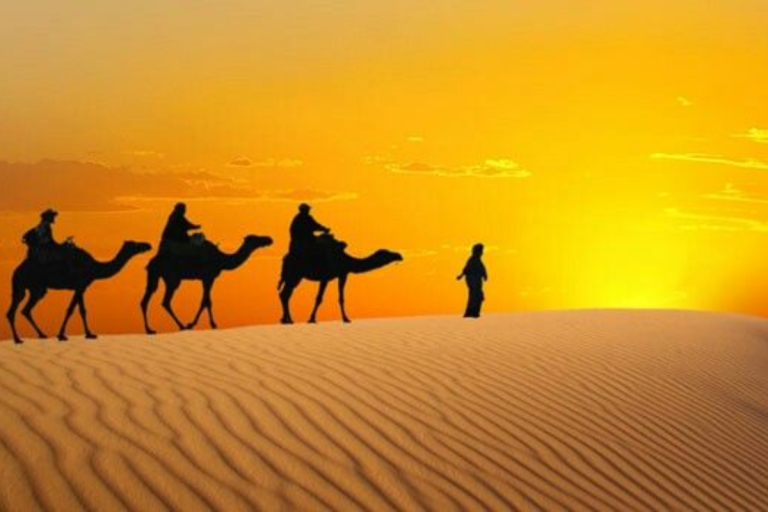
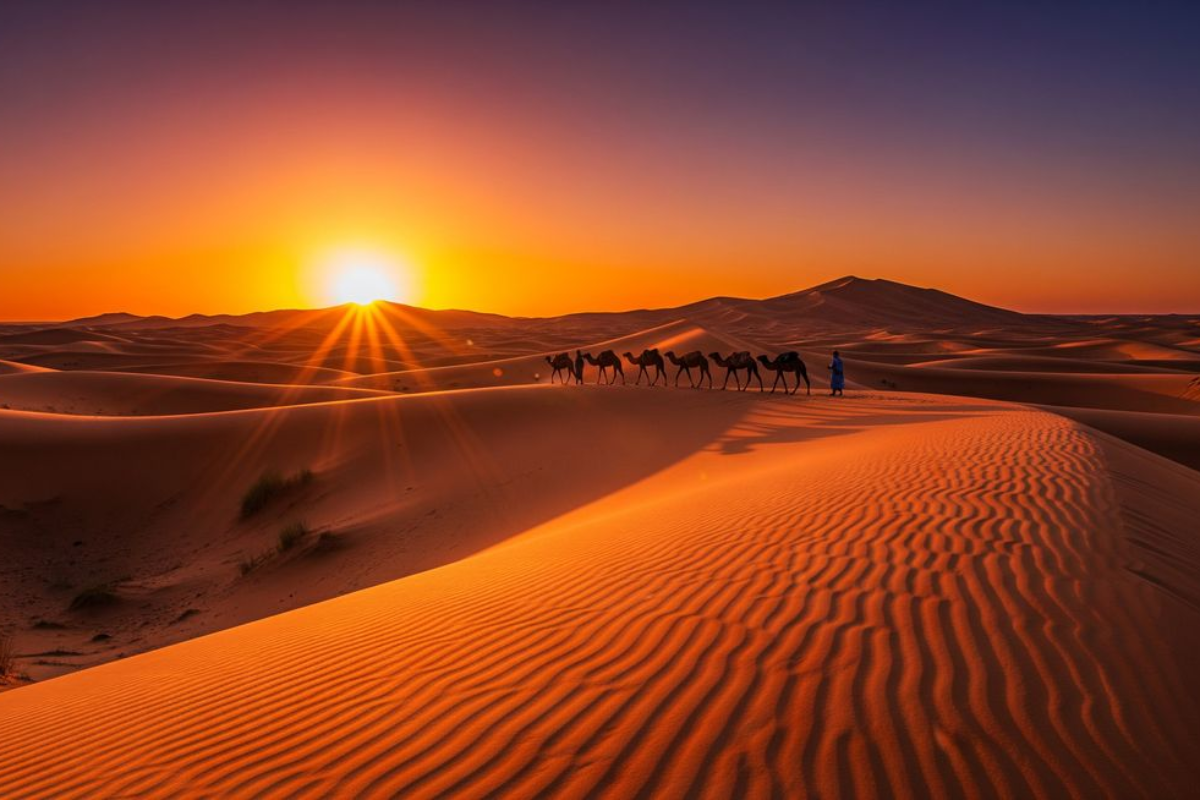
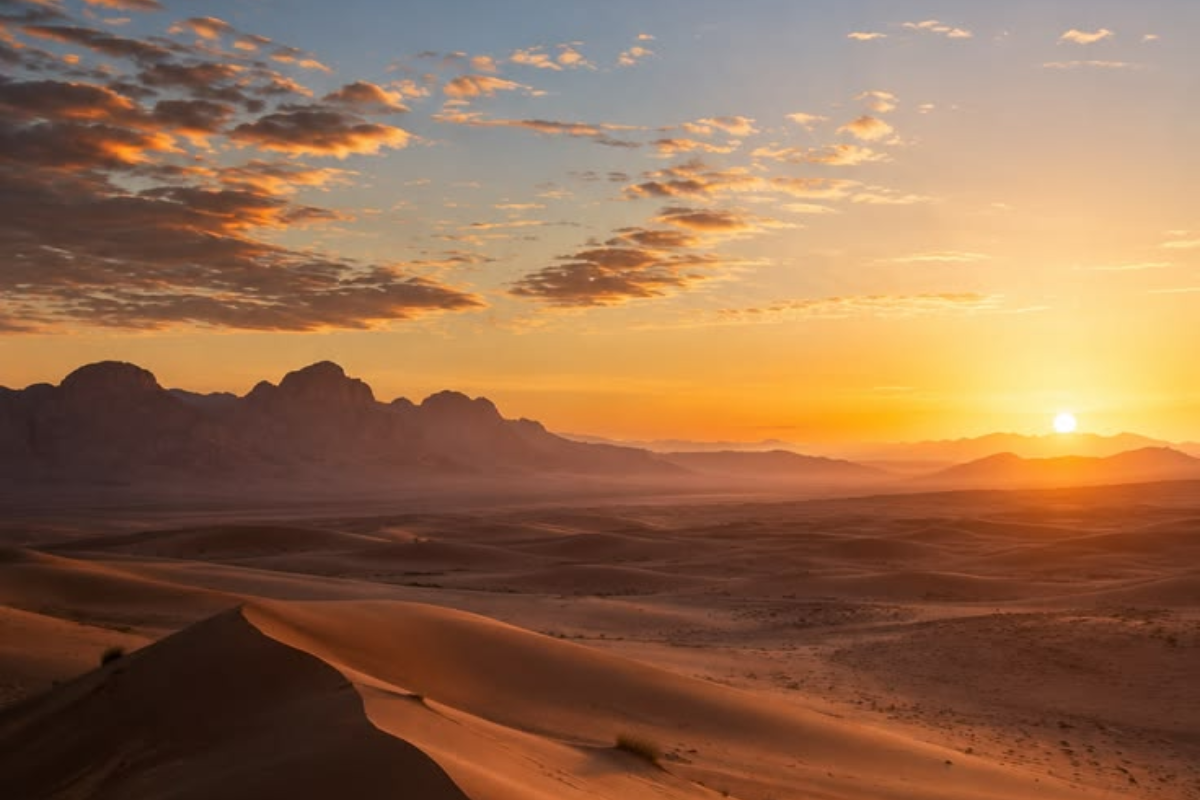
The dunes are famous for their warm golden color. However, their appearance changes throughout the day as the sun moves across the sky. In the early morning, the sand may look soft and pale. Around midday, it becomes brighter and more intense. Later, during sunset, the dunes can take on delicate pink, orange, copper, and deep red tones.
This changing light is one of the main reasons photographers and nature lovers visit the region. Every sunrise and sunset creates a slightly different view. As a result, even travelers who stay for only one night can enjoy several unforgettable moments among the dunes.
Merzouga: The Gateway to the Sahara
Merzouga is a small desert village situated near the Erg Chebbi dunes. It has become the main base for people who want to discover the Sahara in a comfortable and organized way. Although the village is modest, it offers hotels, guesthouses, restaurants, local shops, tour agencies, and access to desert camps.
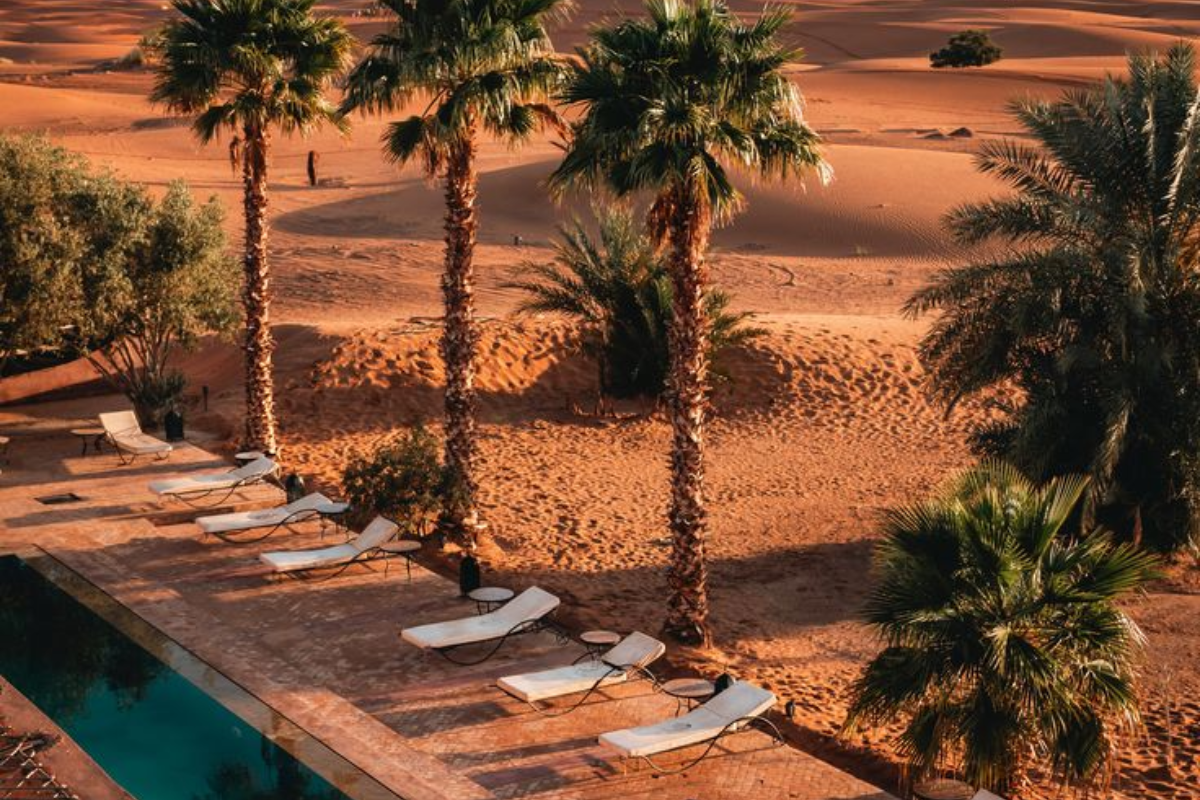
The village is also known for its peaceful atmosphere and nearby oasis. The contrast between green vegetation and the surrounding desert makes Merzouga especially interesting. In one direction, visitors can see palm trees and cultivated areas. In another direction, the sand dunes extend toward the horizon.
For travelers arriving from Marrakech or Fes, Merzouga is often included in a longer Morocco itinerary. The journey usually passes through changing landscapes, including the Atlas Mountains, valleys, traditional villages, and rocky plateaus. Although the drive can be long, it allows visitors to see how dramatically Morocco’s geography changes from north to south.
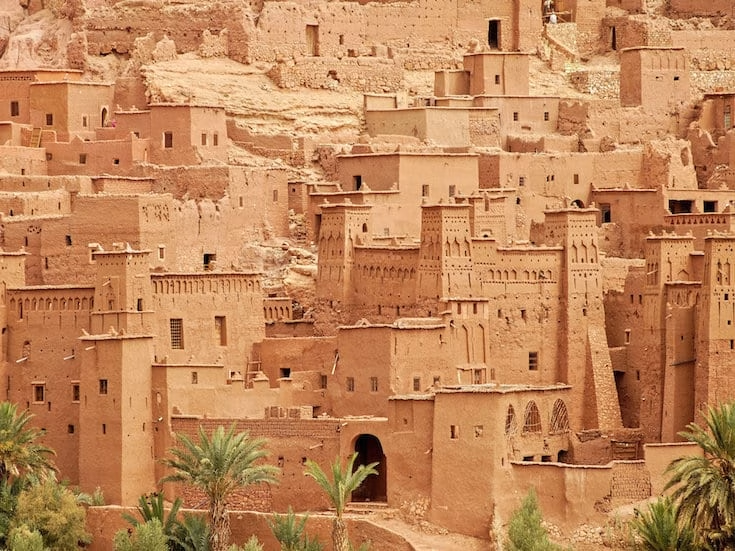
Many visitors choose to stop along the way in destinations such as Aït Ben Haddou, Ouarzazate, the Dades Valley, or the Todra Gorge. These places add cultural and natural variety to a Morocco desert tour. Consequently, the journey to Merzouga becomes an important part of the adventure rather than simply a transfer between two locations.
Why Visit the Erg Chebbi Dunes in Merzouga?
The main attraction of the Erg Chebbi dunes is their impressive scale and beauty. The smooth sand ridges create a peaceful environment where visitors can disconnect from busy cities and daily routines. The desert has very few sounds at night, allowing travelers to experience a rare sense of silence and open space.
In addition, the dunes offer an excellent opportunity to observe the sky. Because there is little artificial light in the area, stars are often clearly visible after dark. On a cloudless night, visitors may see countless stars, constellations, and sometimes the bright trail of the Milky Way.
The desert is also connected to the history and traditions of the people who live in the region. Local communities have developed ways of life adapted to the dry climate, long distances, and limited water resources. Their knowledge of the land, weather, animals, and travel routes has been passed from one generation to another.
A visit to the Erg Chebbi dunes can therefore combine natural scenery with cultural discovery. Travelers may meet local guides, listen to traditional music, enjoy Moroccan meals, and learn more about life in the Sahara. To make the experience respectful and meaningful, it is important to choose responsible local operators and follow local customs.
Camel Trekking in the Merzouga Desert
Camel trekking is one of the most popular ways to explore the Erg Chebbi dunes. Usually, visitors begin their journey in the afternoon and ride across the sand toward a desert camp. The pace is slow, which gives travelers enough time to admire the landscape and enjoy the changing colors of the dunes.
Although camel riding is often presented as a traditional desert experience, travelers should consider animal welfare when selecting a tour. Responsible companies care for their camels, provide appropriate rest, and avoid overworking the animals. Visitors should also follow the guide’s instructions and treat the camels calmly and respectfully.
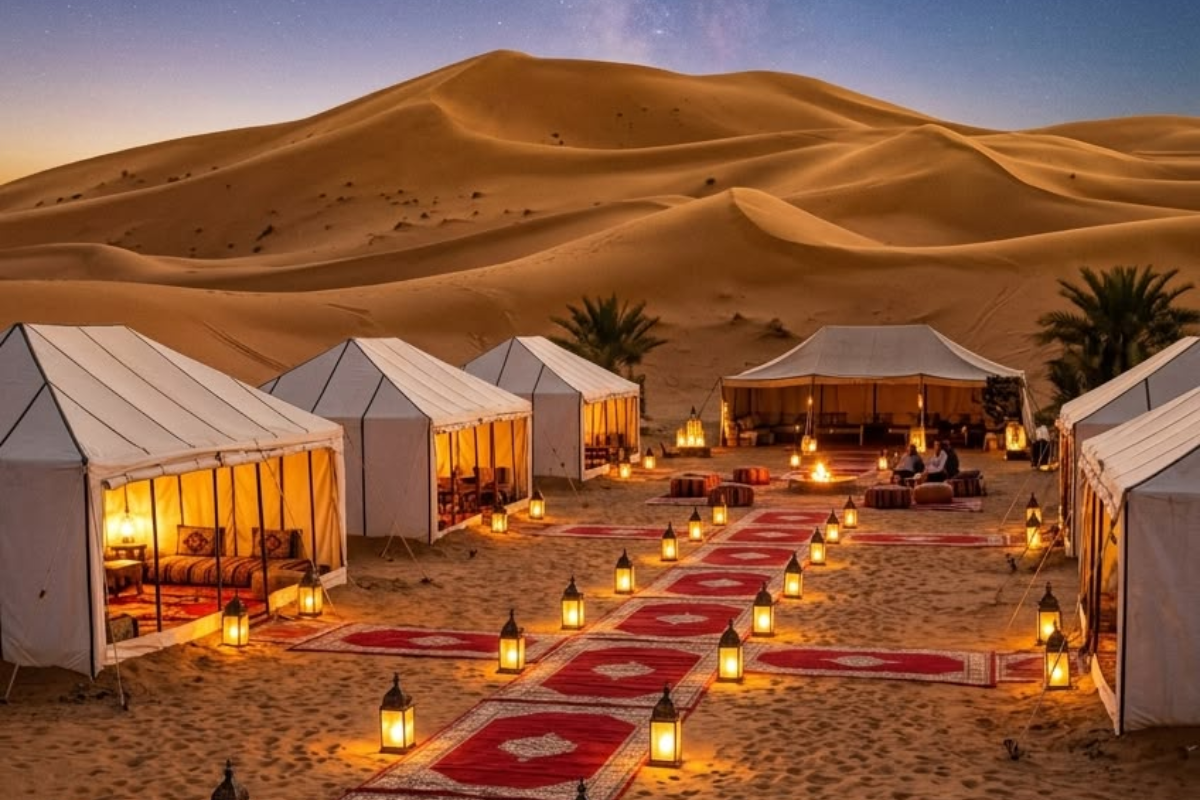
The ride often ends at a desert camp located among the dunes. Some camps are simple and traditional, while others offer comfortable tents with beds, private bathrooms, electricity, and dining areas. Regardless of the style, staying overnight provides a deeper experience than visiting the dunes for only a few hours.
In the morning, many travelers wake before sunrise and climb a nearby dune. From the top, they can watch the first sunlight spread across the desert. The quiet atmosphere, soft shadows, and wide horizon make sunrise at Erg Chebbi one of the most memorable parts of the trip.
Desert Camps Near Erg Chebbi
Spending a night in a desert camp is one of the best ways to enjoy the Erg Chebbi dunes in Merzouga. Camps are usually reached by camel, four-wheel-drive vehicle, or, in some cases, a combination of both. The trip from the village to the camp allows visitors to experience the landscape gradually.
Traditional camps may include large communal tents, carpets, mattresses, and simple dining areas. Guests often enjoy a Moroccan dinner followed by music around a campfire. Drums, singing, and storytelling create a welcoming atmosphere and offer insight into local desert traditions.
Luxury desert camps provide additional comfort. Depending on the camp, guests may have private tents, proper beds, hot showers, toilets, solar power, and restaurant-style meals. These facilities allow visitors to enjoy the desert without giving up modern convenience.
When booking a camp, travelers should check exactly what is included. Important details may include transportation, meals, bedding, bathroom facilities, heating, and the distance from the main dunes. Reviews can also help visitors understand whether a camp offers an authentic, sustainable, and well-organized experience.
Activities to Enjoy in the Erg Chebbi Dunes
Camel trekking is only one of many activities available in the Merzouga area. Visitors can also explore the dunes by four-wheel-drive vehicle, which is useful for reaching more distant locations and discovering the wider desert environment. Experienced guides can explain the landscape and identify places of cultural or natural interest.
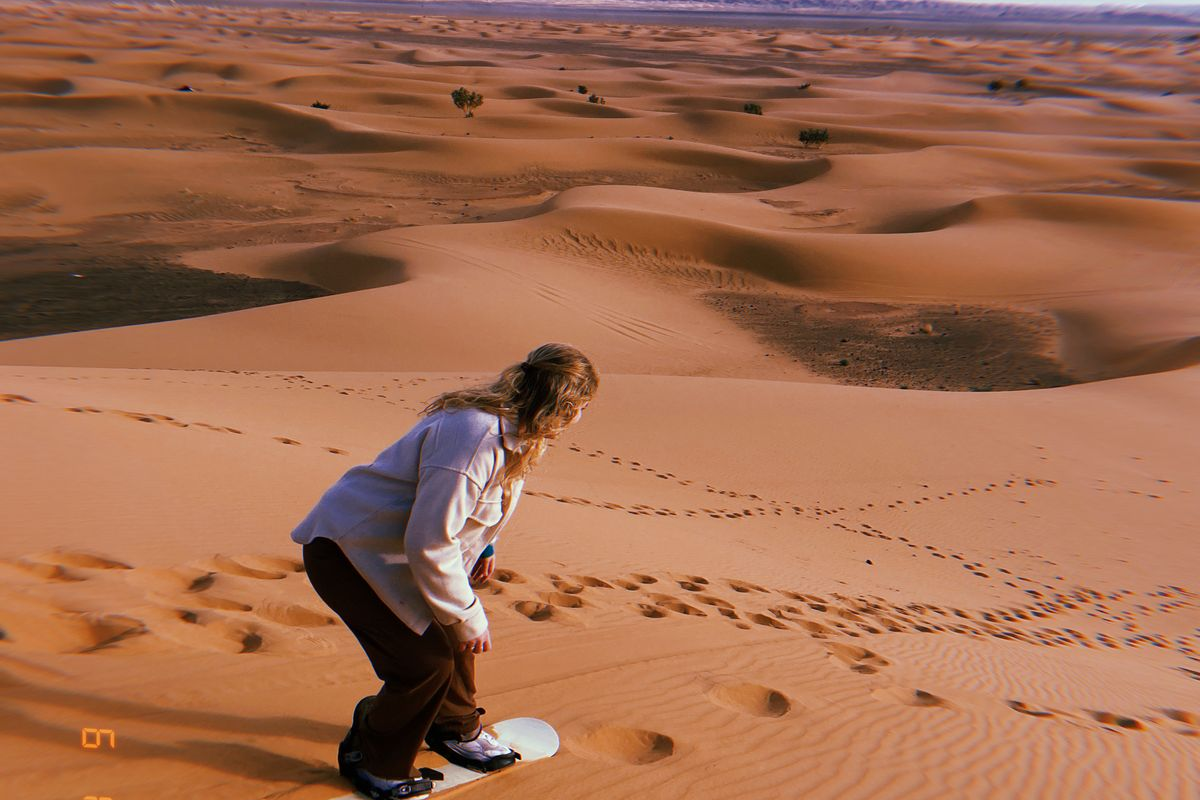
Sandboarding is another popular activity. The tall slopes of Erg Chebbi provide suitable places for sliding down the sand on a board. It is a simple and enjoyable experience for many travelers, although climbing back to the top can be physically demanding.
Photography is especially rewarding in this region. The low light of sunrise and sunset highlights the curves of the dunes and produces strong contrasts between light and shadow. Travelers should protect their cameras and phones from sand, particularly when there is wind.
Some tours also include visits to nearby communities, fossil areas, seasonal lakes, or places associated with Gnawa music. These activities can add greater depth to a desert itinerary. However, the exact program depends on the season, weather, and tour provider.
The Colors of Erg Chebbi at Sunrise and Sunset
One of the defining features of the Erg Chebbi dunes is their changing color. The sand is often described as golden, but it can appear yellow, pink, orange, red, or brown depending on the light and atmospheric conditions. These colors are especially visible when the sun is close to the horizon.
Sunset is usually one of the most popular times to visit the dunes. As the sun descends, the shadows grow longer and the ridges become more defined. The landscape appears to change from one minute to the next, creating an extraordinary setting for photographs and quiet reflection.
Sunrise offers a different atmosphere. The desert is generally cooler and calmer in the early morning. As the sun rises, the first rays illuminate the highest dunes before gradually reaching the valleys between them.
For the best views, visitors should arrive at a suitable viewpoint before the sun reaches the horizon. A local guide can help identify a safe and attractive place. It is also wise to carry water, wear comfortable shoes, and bring an extra layer because desert temperatures can change quickly.
The Best Time to Visit Merzouga
The best time to visit the Erg Chebbi dunes is generally during spring and autumn. During these seasons, daytime temperatures are often more comfortable than in the intense summer months. The weather is suitable for camel rides, walking, sightseeing, and overnight stays.
Winter can also be a good season for visiting. Days are often pleasant, but nights may become very cold, especially in open desert camps. Travelers should bring warm clothing, including a jacket, sweater, socks, and comfortable sleeping layers.
Summer is the hottest period in the Merzouga region. Temperatures can become extremely high during the afternoon, making outdoor activities uncomfortable or unsafe. If traveling in summer, visitors should plan activities for early morning or late afternoon and drink plenty of water.
Weather conditions can change quickly in desert areas. Strong winds may create sandstorms, while occasional rain can affect roads and travel plans. Therefore, travelers should remain flexible and follow advice from local guides and accommodation providers.
What to Pack for the Sahara Desert
Packing correctly can make a desert trip much more enjoyable. Lightweight, breathable clothing is useful during the day, while warm layers are essential at night. Loose-fitting clothes can protect the skin from the sun and help travelers remain comfortable during camel rides.
A hat, sunglasses, sunscreen, and reusable water bottle are also important. Closed shoes are recommended because hot sand and uneven surfaces can make walking difficult. A scarf can protect the face and neck from sun and wind, and it is also a practical accessory during dusty conditions.
Travelers should bring a small bag for the overnight camp rather than carrying a large suitcase into the dunes. Essential items may include personal medicine, a flashlight, power bank, toiletries, and a camera. Because electricity may be limited in some camps, charging devices before departure is advisable.
For more ideas about planning a Moroccan journey, visitors can explore the services and travel inspiration available through Morocco Desert Friends. For official tourism information, destinations, and travel advice, consult the official Visit Morocco website.
Responsible Travel in the Merzouga Desert
The desert is a fragile environment, even though it may appear empty and endless. Visitors exploring the Erg Chebbi dunes in Merzouga should avoid leaving plastic, food waste, or other rubbish in the dunes. Carrying reusable bottles and taking all waste back to the camp or village is a simple way to reduce environmental impact.
Water is particularly valuable when visiting the Erg Chebbi dunes in Merzouga. Travelers should use water carefully and avoid unnecessary waste. Supporting accommodations and tour operators that use solar energy, reduce plastic, and work with local communities can also contribute to more sustainable tourism.
Respect for local culture is equally important. Visitors should ask permission before photographing people, dress appropriately when visiting villages, and listen to guides when they explain local traditions. Buying handmade products directly from local artisans can provide useful support for families in the region.
A responsible desert experience benefits both travelers and the destination. By choosing ethical operators, respecting animals, protecting the Erg Chebbi dunes in Merzouga, and valuing local knowledge, visitors can help preserve the beauty of this unique landscape for future generations.
Final Thoughts on the Erg Chebbi Dunes in Merzouga
The Erg Chebbi dunes in Merzouga represent one of Morocco’s most spectacular travel experiences. Their golden sands, changing colors, quiet atmosphere, and star-filled skies create an unforgettable setting. From the first camel ride to the final sunrise, every moment among the Erg Chebbi dunes in Merzouga offers a chance to connect with the landscape.
Merzouga is also an excellent gateway for discovering the wider Sahara region. Whether travelers choose a traditional camp, a luxury tent, a camel trek, or a 4×4 excursion, the Erg Chebbi dunes in Merzouga offer experiences for different interests and budgets. With good planning, suitable clothing, and a responsible approach, a visit to the Erg Chebbi dunes in Merzouga can become one of the highlights of any Morocco itinerary.