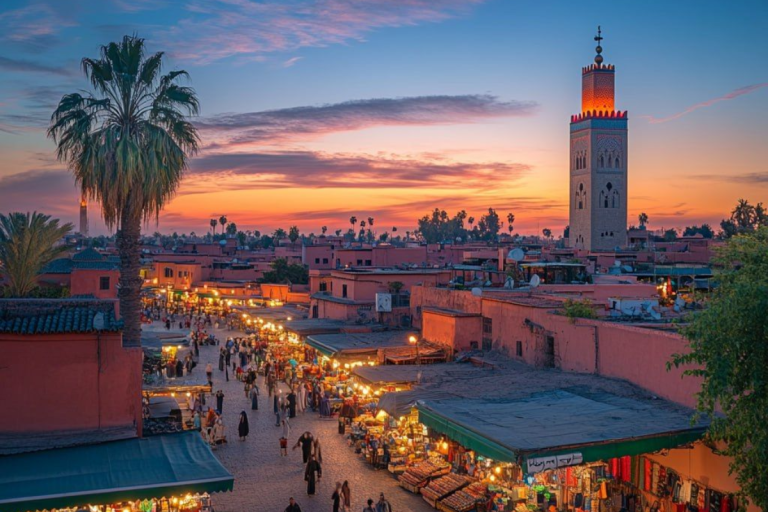
Casablanca is more than the setting of a famous black-and-white movie. It is Morocco’s largest city, an energetic Atlantic destination where historic neighborhoods, Art Deco buildings, modern avenues, busy markets, and seaside attractions come together. Although Casablanca may initially appear less traditional than Marrakech or Fez, the city gradually reveals a fascinating identity. Therefore, joining well-planned Casablanca tours is one of the best ways to understand its architecture, culture, food, and everyday rhythm.
During your visit, you can walk beside the Old Medina walls, admire elegant colonial façades, discover local markets, relax near the Atlantic Ocean, and drink Moroccan mint tea in a neighborhood café. Furthermore, Casablanca offers a modern perspective on Morocco that complements the country’s imperial cities and desert landscapes. Instead of rushing through the city, take time to explore its contrasting districts. By the end of the day, you may want to experience everything again.
Why Casablanca Deserves a Place on Your Morocco Itinerary
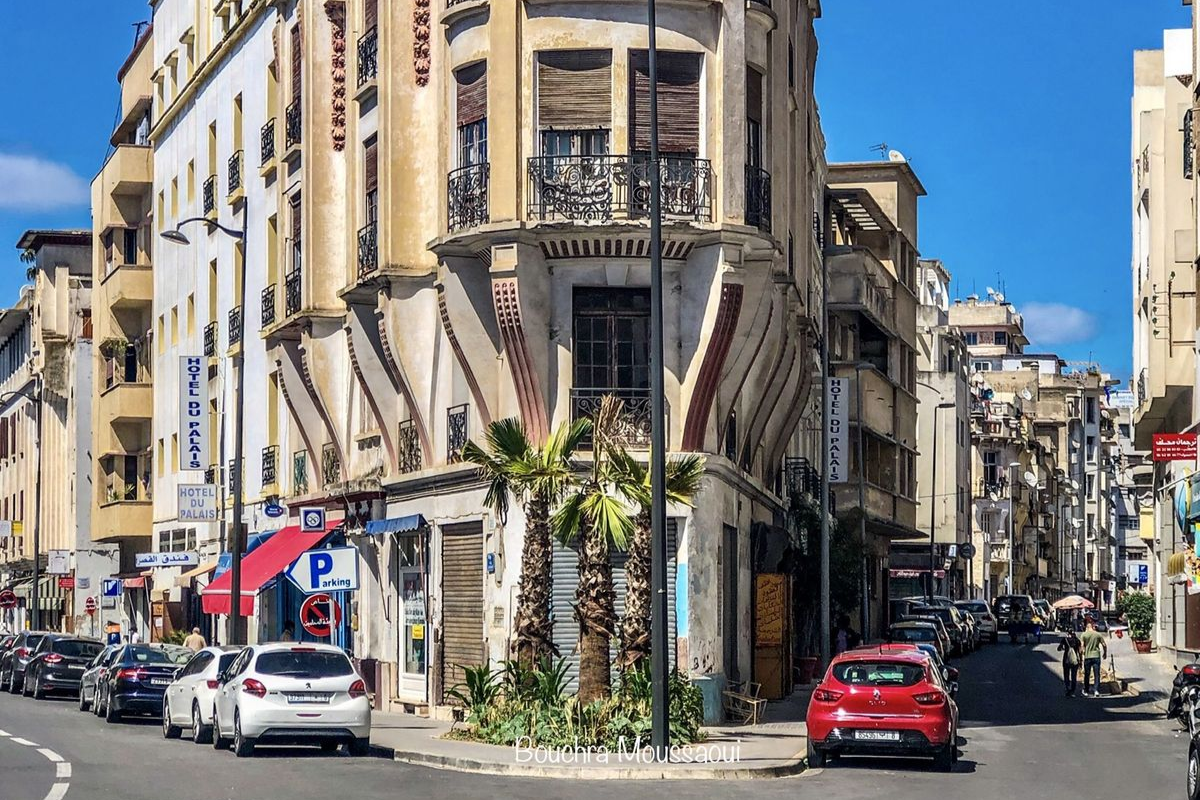
Many visitors arrive in Casablanca because of its international airport and then immediately continue to another destination. However, the city deserves more than a quick transfer. Casablanca is Morocco’s economic center, and its streets provide an authentic look at contemporary urban life. Modern offices stand beside historic cafés, street vendors work near fashionable boutiques, and traditional customs remain visible in an increasingly international environment.
In addition, Casablanca has several important attractions that cannot be found elsewhere in Morocco. The Hassan II Mosque rises dramatically above the Atlantic Ocean, while the city center contains one of North Africa’s most impressive collections of Art Deco and neo-Moorish architecture. Meanwhile, the Old Medina, Central Market, Habous Quarter, and Corniche introduce visitors to different periods of Casablanca’s development. Consequently, exploring the city adds depth and variety to a Moroccan journey.
Begin Your Casablanca Tour at the Hassan II Mosque
The Hassan II Mosque is Casablanca’s most recognizable landmark and an essential stop on most Casablanca tours. Located beside the Atlantic Ocean, the mosque appears to rise directly from the water. Its tall minaret can be seen from many parts of the city, while its exterior displays detailed Moroccan craftsmanship. Carved stone, colorful mosaics, cedarwood, marble, and geometric patterns reflect the skills of artisans from across the country.
Non-Muslim visitors may enter the mosque at specific times through an official guided visit, subject to the current schedule and religious events. Therefore, it is wise to check opening times before arriving. Visitors should also dress respectfully and follow the instructions provided on site. Even if you do not enter, the large oceanfront esplanade offers wonderful views and excellent photography opportunities, particularly in the softer light of the morning or late afternoon.
Wander Through the Old Medina
After visiting the mosque, continue toward Casablanca’s Old Medina. Although it is smaller and less elaborate than the medinas of Fez or Marrakech, it offers a lively introduction to the city’s traditional side. Narrow streets pass between weathered buildings, neighborhood shops, modest cafés, bakeries, and market stalls. As you walk, you will see residents shopping, chatting, and carrying out their daily routines.
The Old Medina was affected by the 1755 Lisbon earthquake and was later rebuilt and expanded. Today, sections of its walls and gates remain visible, creating an interesting contrast with the modern city around them. However, the area can feel confusing to first-time visitors because many streets look similar. For that reason, guided Casablanca tours can help you explore more confidently while learning about the district’s history and local communities.
Discover Casablanca’s Art Deco Heritage
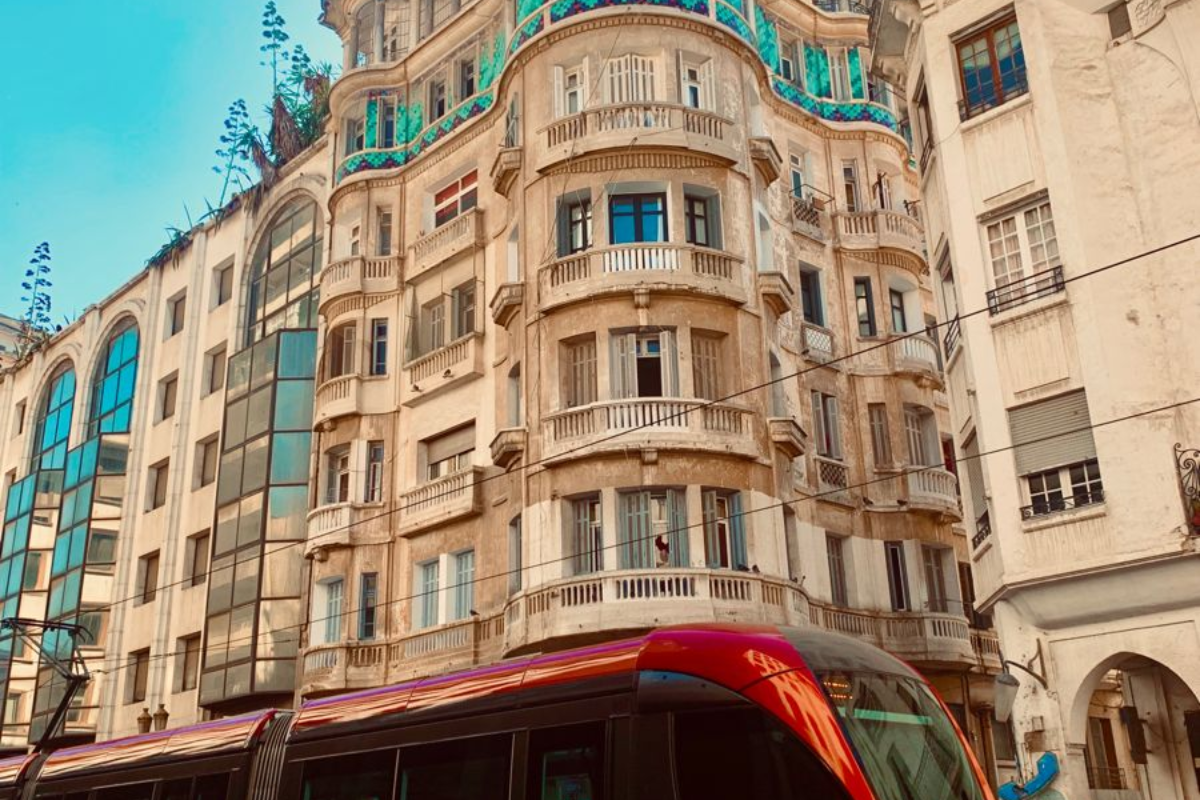
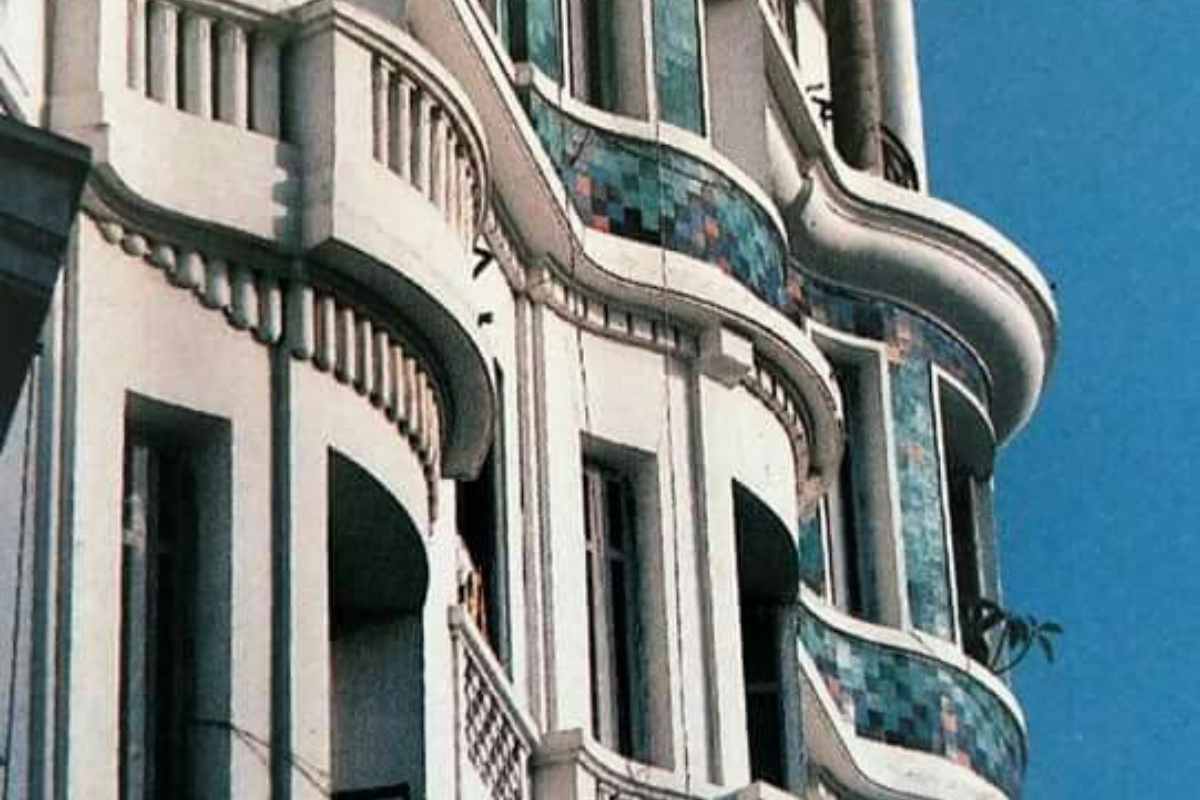
Casablanca is famous for architecture that combines Art Deco, European modernism, and traditional Moroccan decoration. During the French Protectorate period, architects used the rapidly growing city as a place to experiment with new urban designs. As a result, central Casablanca contains curved balconies, geometric façades, ornamental details, and grand administrative buildings. Many of these structures are concentrated around Mohammed V Square and the streets leading toward the city center.
Look carefully as you walk because some of Casablanca’s most interesting architectural details appear above street level. Decorative windows, old signs, tiled entrances, iron balconies, and sculpted façades can easily be missed. In addition, several buildings display a neo-Moorish style that blends European planning with arches, courtyards, tiles, and other Moroccan elements. An architecture-focused tour is therefore an excellent option for travelers interested in design, photography, and urban history.
Explore Mohammed V Square and the City Center
Mohammed V Square provides a useful starting point for exploring central Casablanca. Important public buildings surround the square, including structures that feature elegant arches, towers, arcades, and traditional decorative elements. The nearby streets are usually busy with workers, shoppers, commuters, and street vendors. Consequently, this area presents a clear picture of Casablanca as a living city rather than an open-air museum.
From the square, you can continue along central avenues to discover shops, cafés, cinemas, and historic buildings. Place des Nations Unies is another major city landmark and a meeting point between the Old Medina and modern Casablanca. Moreover, the nearby tram system makes it easier to travel between central districts. Nevertheless, walking remains the best way to notice architectural details and experience the atmosphere at street level.
Visit the Habous Quarter, Casablanca’s New Medina
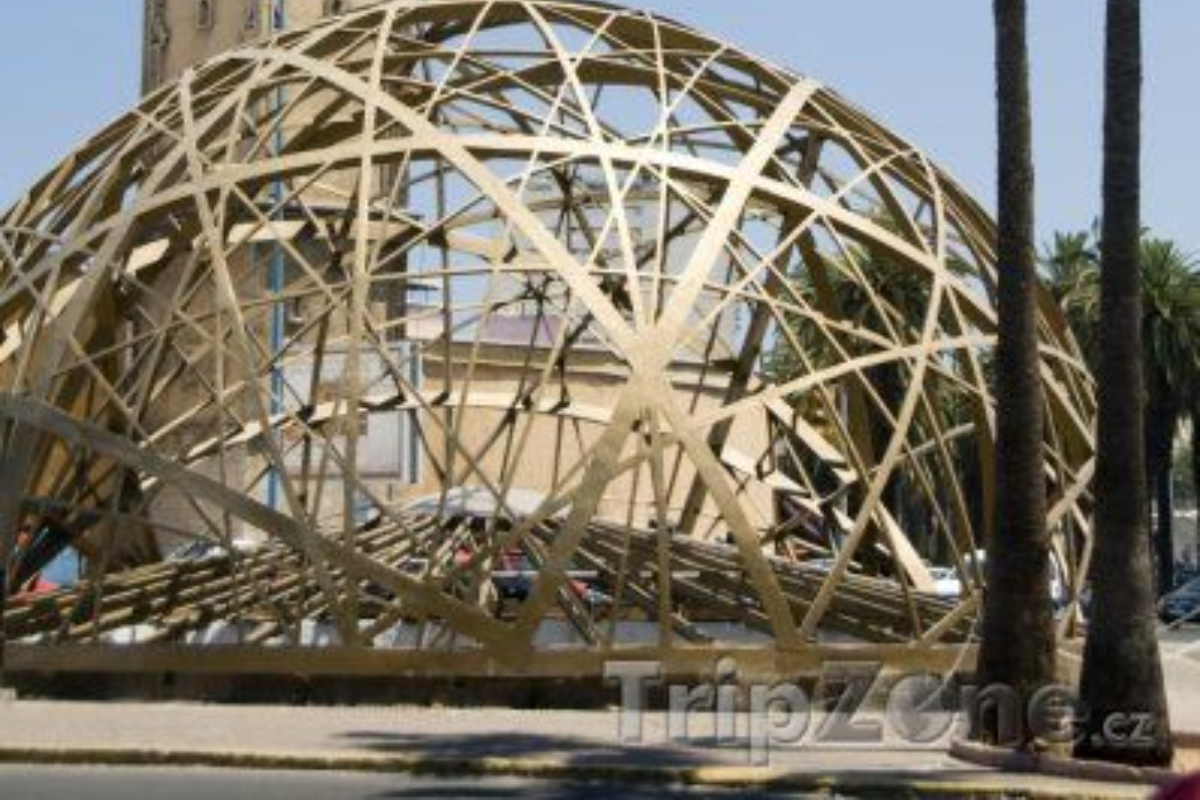
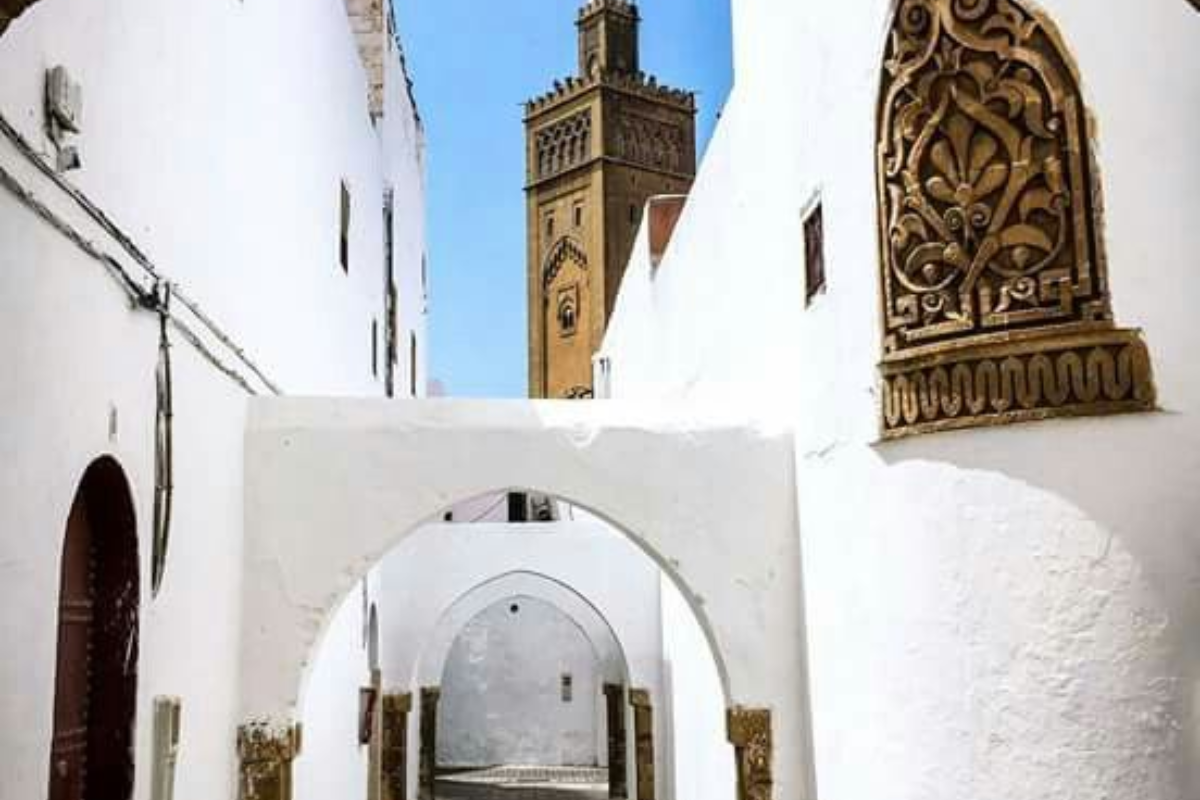
The Habous Quarter, also known as the New Medina, offers a more organized and peaceful alternative to the Old Medina. Developed during the French Protectorate, the neighborhood was designed to combine traditional Moroccan architecture with modern urban planning. Its arcades, courtyards, white buildings, stone streets, and small squares create a pleasant environment for walking. Therefore, the area is often included in cultural Casablanca tours.
While exploring the Habous Quarter, you can visit shops selling leather goods, ceramics, clothing, spices, books, and Moroccan pastries. Local bakeries are particularly popular with visitors searching for traditional sweets. In addition, the neighborhood is close to the Royal Palace area and the Mahkama du Pacha, although access to certain official sites may be restricted. Even so, the district’s architecture and relaxed atmosphere make it one of Casablanca’s most enjoyable places to explore.
Experience the Central Market and Local Food
Casablanca’s Central Market is an excellent place to observe local life and discover fresh Moroccan ingredients. Depending on the day and season, stalls may display seafood, vegetables, fruit, flowers, spices, olives, and other regional products. The surrounding streets are equally lively, with small restaurants, juice stands, bakeries, and cafés serving residents throughout the day. As a result, the market area is a rewarding stop for curious food lovers.
Moroccan cuisine offers far more than the dishes commonly found in tourist restaurants. While in Casablanca, try grilled fish, seafood, tagine, couscous, harira soup, fresh bread, olives, and seasonal salads. You can also order mint tea, which is traditionally prepared with green tea, fresh mint, and sugar. Above all, choose busy establishments with clear prices and good hygiene practices. A food-focused guide can also explain ingredients, dining traditions, and regional variations.
Follow Casablanca’s Atlantic Coast
After exploring the busy center, head toward the Corniche in the Ain Diab district. This long coastal area includes cafés, restaurants, beach clubs, walking spaces, and ocean viewpoints. The Atlantic waves and fresh air provide a welcome change from the traffic of central Casablanca. Furthermore, the Corniche becomes especially animated in the evening, when residents meet friends, exercise, dine, and enjoy the sunset.
Swimming conditions can vary because the Atlantic Ocean may have strong waves and currents. Therefore, follow local safety advice and choose supervised areas whenever possible. Even if you do not plan to swim, you can walk beside the coast, stop for coffee, or simply watch the ocean. Combining urban landmarks with time by the sea givesCasablanca tours a distinctive character that differs from sightseeing in Morocco’s inland cities.
Casablanca and the Famous Movie
The name Casablanca is closely connected to the classic 1942 film starring Humphrey Bogart and Ingrid Bergman. However, the movie was primarily filmed in Hollywood rather than in Morocco. Therefore, visitors should not expect the modern city to resemble every scene from the film. Nevertheless, the cinematic association has become part of Casablanca’s international identity and continues to inspire travelers from around the world.
Rick’s Café in Casablanca was created decades after the movie as a tribute to its atmosphere. Today, it offers visitors a movie-inspired setting with music, elegant decoration, and dining. Reservations may be advisable, particularly during busy travel periods. Still, the city’s real appeal reaches far beyond the film. Its neighborhoods, architecture, coast, markets, and residents provide a much richer and more authentic story.
Meet Modern Morocco in Casablanca
Casablanca allows travelers to encounter modern Moroccan life in a direct way. On the same street, you may see traditional clothing, international fashion, family-owned shops, technology companies, cafés, and contemporary galleries. This mixture does not weaken the city’s Moroccan identity. On the contrary, it demonstrates how traditions can continue within a rapidly changing urban environment.
For a more meaningful experience, spend time in ordinary neighborhoods rather than visiting only famous monuments. Sit in a local café, walk through a market, use the tram, and observe the city’s daily pace. At the same time, remain respectful when photographing people and ask for permission when appropriate. These simple interactions often become the most memorable part of Casablanca tours because they reveal the city beyond its major attractions.
A Suggested One-Day Casablanca Itinerary
Begin your day at the Hassan II Mosque, preferably in the morning when the area is usually calmer and the light is pleasant. Next, walk or travel to the Old Medina and explore its lanes, shops, gates, and remaining walls. From there, continue toward Place des Nations Unies, Mohammed V Square, and the Art Deco streets of central Casablanca. Around lunchtime, stop at the Central Market or a nearby restaurant for Moroccan food or fresh seafood.
In the afternoon, visit the Habous Quarter to browse traditional shops and sample Moroccan pastries. Afterward, travel to the Corniche for an oceanfront walk and sunset views. Finally, finish your day with mint tea, dinner, or a movie-inspired evening at Rick’s Café. Although this itinerary covers many highlights, travelers with more time should divide the route over two days for a slower and more comfortable experience.
Practical Advice for Casablanca Tours
Casablanca is a large and busy city, so planning transportation is important. The tram is practical for several central areas, while registered taxis can help you reach attractions located farther away. Ask drivers to use the meter when appropriate, or agree on a price before beginning a journey if the meter is unavailable. Additionally, allow extra travel time because traffic can be heavy during peak hours.
Comfortable shoes are essential because the bestCasablanca tours include plenty of walking. Dress respectfully, particularly when visiting religious sites, and keep personal belongings secure in crowded places. It is also helpful to carry some Moroccan dirhams for markets, cafés, taxis, and small purchases. Although cards are accepted in many hotels and modern restaurants, cash remains convenient in traditional shops and local neighborhoods.
The Best Time to Visit Casablanca
Casablanca has a relatively mild Atlantic climate, which makes it accessible during much of the year. Spring and autumn are particularly pleasant because temperatures are generally comfortable for walking and outdoor Casablanca tours. Summer can be warm and busy, although the ocean breeze often keeps the coast cooler than Morocco’s inland destinations. Winter is usually mild, but rain and cooler evenings are possible.
Before visiting, check religious holidays, local events, and seasonal opening hours. Ramadan can provide an interesting cultural experience, although some Casablanca tours may operate on different schedules during daylight hours. Furthermore, Casablanca tours and attraction hours may change according to religious events. Flexible planning will therefore help you enjoy Casablanca tours without rushing or missing an important site.
Extend Your Journey Beyond Casablanca
Casablanca can serve as the beginning of a longer Moroccan adventure. From the city, travelers can continue to Rabat, Fez, Marrakech, Essaouira, the Atlas Mountains, or the Sahara. If you would like to explore additional itineraries and private travel experiences, visit Morocco Desert Friends to discover more options for traveling across Morocco.
For additional destination information and official travel inspiration, consult the Moroccan National Tourism Office. Checking reliable sources can help you verify practical details, regional attractions, and current travel recommendations. However, opening times, admission policies, and transportation conditions may still change, so confirm essential information shortly before your trip.
Why Guided Casablanca Tours Are Worthwhile
Independent exploration gives you flexibility, but a knowledgeable local guide can make Casablanca easier to understand. Many landmarks do not provide extensive explanations, and some architectural details are easy to overlook. A guide can connect the city’s colonial history, Moroccan heritage, economic development, and modern culture. Furthermore, guided Casablanca tours reduce the time spent navigating unfamiliar streets.
The ideal tour should balance major attractions with everyday experiences. Instead of moving quickly between photo stops, choose an itinerary that includes time for walking, conversation, local food, and observation. Whether you prefer architecture, cuisine, history, photography, or coastal scenery, Casablanca tours offer several ways to personalize your visit. Ultimately, a thoughtful tour transforms the city from a transit point into a memorable destination.
Final Thoughts on Visiting Casablanca
Casablanca may not match the romantic image created by classic cinema, yet that is precisely what makes it interesting. It is a genuine, complex, and constantly evolving Moroccan city. Its Art Deco buildings, old and new medinas, Atlantic coastline, monumental mosque, markets, cafés, and modern districts reveal many layers of the country’s identity.
Therefore, give Casablanca enough time to surprise you. Wander beside the Medina walls, look up at historic façades, and browse old and new shopping districts. The best Casablanca tours combine coastal walks, local markets, and refreshing mint tea at the end of the day. Well-designed Casablanca tours allow you to experience both the historic and contemporary sides of Morocco. Whether you choose guided Casablanca tours focused on architecture, food, or coastal scenery, you may soon feel tempted to explore the city all over again.